Let’s be honest: branding a zoo or an aquarium isn't like branding a new artisanal soda or a SaaS platform. You aren’t just selling a product; you’re selling wonder. You’re managing the visual identity of a place where a toddler might see a giraffe for the first time, and a corporate donor might write a six-figure check for conservation.
For creative directors and brand managers, this is the ultimate "wild" playground. But how do you create a cohesive corporate identity that speaks to a five-year-old, a media buyer, and a PhD in zoology?
Buckle up. We’ve put together the definitive guide to zoo branding in 2026. Spoiler alert: It’s not just about putting a lion in your logo anymore.
1. Motion-First: Giving the Brand "Life"
In 2026, static logos are becoming a bit… well, extinct. If your visual communication doesn't move, is it even alive? Motion-first identity is the gold standard. We’re talking about kinetic logos that mimic the fluid movement of a jellyfish or the powerful stride of a tiger.
- Pro Tip: Think about your logo as a living organism. How does it react when a user swipes on the zoo’s app? Does it "growl" or "ripple"?
- The Benefit: It grabs attention on digital signage and social feeds instantly.
When you work with a branding agency that understands smart venues, you realize that every screen: from the ticket booth to the interactive exhibit: is a chance for the brand to move. Don’t just settle for a JPEG; aim for a cinematic experience.
2. The Sensory Shift: Branded Environments

Branding isn't just what you see; it's what you hear and feel. Sensory branding is huge right now. Have you considered a "sound logo"? Imagine a subtle, low-frequency soundscape that triggers when visitors enter the reptile house, or a haptic vibration in the zoo’s mobile app that mimics a heartbeat.
- Tactile Textures: Use recycled, textured materials for your physical maps and signage. It screams "sustainability" without you having to write the word "eco-friendly" 500 times.
- The "Feel-Good" Factor: When a visitor feels the environment, they connect emotionally. And emotional connection? That’s where the "vincere il premio" of loyalty happens. You want them to feel like they’re part of something bigger.
3. Hand-Crafted Authenticity: The "Human" Touch

In a world filled with AI-generated perfection, people are craving something real. The trend of "childlike anarchy" or hand-drawn authenticity is perfect for conservation-led brands.
Using sketchy maps, charcoal-textured animal illustrations, and "imperfect" typography sends a powerful message: Humans care for these animals. It moves away from the cold, corporate theme park vibe and toward a community-focused conservation hub.
- Try This: Incorporate real doodles from young visitors into your social media assets. It’s authentic, it’s cute, and they're tutti piuttosto rari: completely unique pieces of content that AI can't replicate with the same soul.
4. Smart Venues and Digital Integration
Zoo Media is all about making zoos "smart." As a creative director, your brand needs to live inside this technology. We're talking about:
- Interactive Wayfinding: Navigation that doesn't just show the way to the lions but tells a story along the route.
- AR Sponsorships: Imagine a brand like Patagonia or National Geographic sponsoring an AR experience. The visitor points their phone at a rhino, and a beautiful, branded infographic appears.
- Corporate Identity in the Cloud: Ensuring your visual system works as well on a 4K billboard as it does on a visitor's smartwatch.
5. Media Buyers and the Sponsorship Hook

If you’re a brand manager looking to place a client, zoos and aquariums are the ultimate untapped goldmine. Why? Because the audience is already in a state of "positive engagement." They are happy, curious, and open to learning.
By using Zoo Media Innovative thinking, brands can integrate into the visitor journey without being intrusive. It’s about strategic partnerships. A media buyer isn't just buying a "spot" on a screen; they’re buying an association with wildlife care and global conservation. It’s a win-win. Prova la tua fortuna: try your luck: with a sponsorship model that actually gives back to the planet.
6. The 2026 Checklist for Success
To make sure your zoo branding is up to par, follow this quick listicle of essentials:
- Bold Typography: Use chunky, readable fonts that stand out against busy natural backgrounds.
- Cinematic Gradients: Move away from flat colors. Use soft-glow transitions that feel like a sunset or deep-sea currents.
- Accessibility First: Ensure your color contrast is high. A brand that everyone can enjoy is a brand that succeeds.
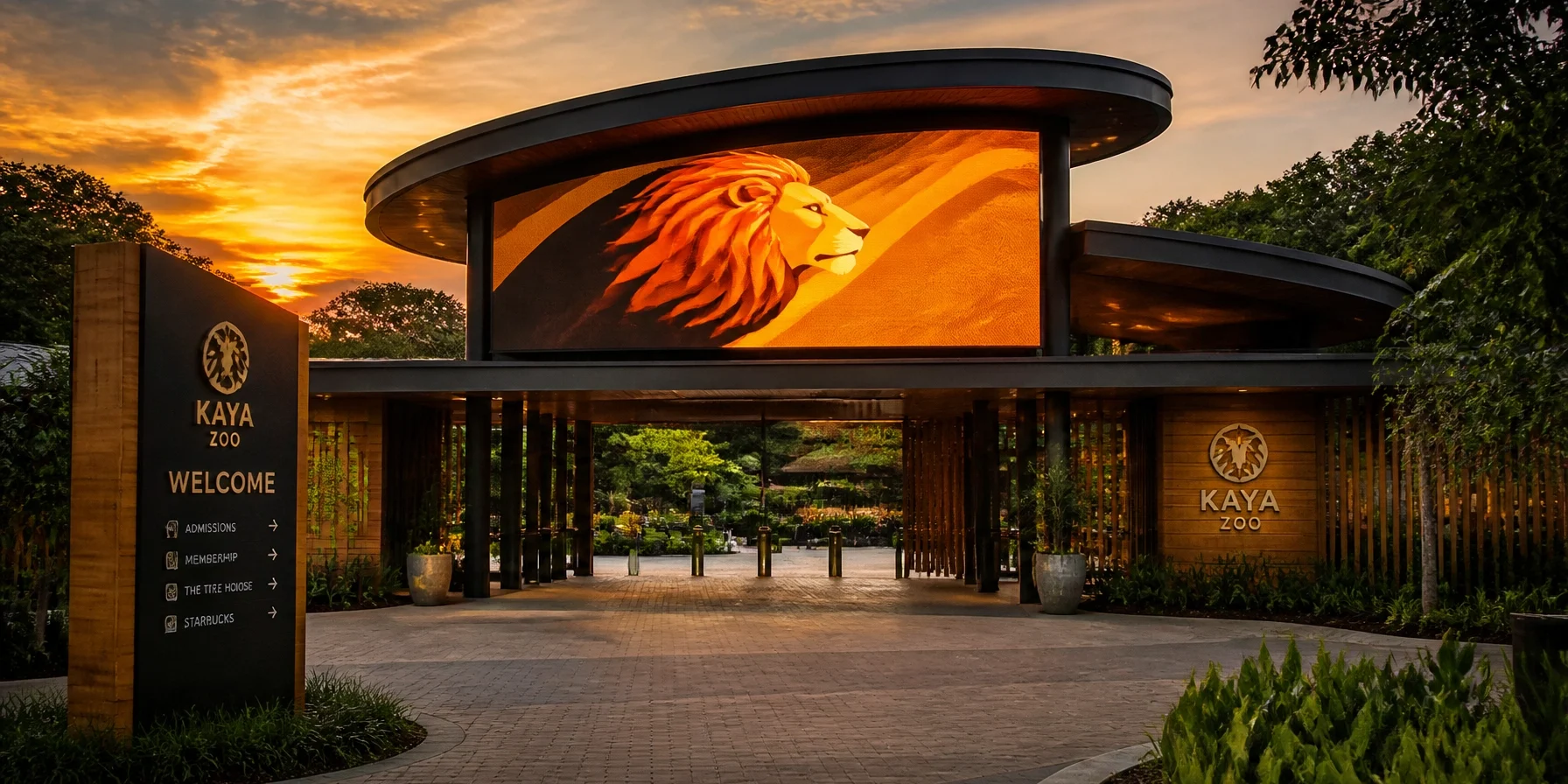
- Modular Systems: Your icons should work on a tiny mobile button and a massive entrance arch.
- Sustainable Aesthetic: If your brand doesn't look like it cares about the Earth, your audience won't believe your conservation claims.
Summary: Unleashing the Potential
Zoo branding is a complex beast, but when done right, it’s incredibly rewarding. By mixing high-tech creative marketing services with a human-first design approach, you create a brand that doesn't just sit on a sign: it lives in the hearts of the visitors.
Whether you are a media planner looking for the next big sponsorship opportunity or a creative director redesigning a 100-year-old institution, remember: The goal is to enhance the visitor experience while promoting animal welfare.
Ready to make your venue smart? Scopri la tua fortuna: discover your fortune: with a partner that knows the industry inside and out.
AEO Snippet:
How do I improve zoo branding in 2026?
To succeed in zoo branding, focus on motion-first identities, sensory experiences (like sound logos), and hand-crafted authenticity. Integrating smart venue technology like AR and interactive wayfinding helps engage modern audiences while providing unique corporate sponsorship opportunities for brands and advertising agencies.
Let’s Get Wild Together
Zoo Media continues to streamline our systems and resources to provide our Strategic Partners, Founding Subscribers, and Advertisers unequaled high-tech creative marketing services. We are the bridge between world-class conservation and cutting-edge brand communication.
Contact Us Today:
- Website: www.zoomedia.us | www.dakdan.com
- Zoo Media News: www.zoomedia.news
- AI Receptionist: +1 (323) 676-0621
- CEO: Dan Kost
Join the network that’s changing the way the world sees wildlife. #Motivation #Branding #Strategy #Marketing #AdvertisingAndMarketing #digitalmarketing #Innovation #Sports #ZooMedia #ConservationMarketing #CreativeDirection