The world of wildlife conservation and visitor entertainment is undergoing a massive digital transformation. If you are a zoo director or a tech partner, you’ve likely heard the buzz about "Smart Venues." But what does it actually mean to hit the jackpot with technology in a zoological setting? It’s all about the Internet of Things (IoT).
At Zoo Media, we believe that integrating IoT isn't just a luxury: it’s the future of visual communication and animal care. By connecting every aspect of your park, from the enclosure temperature to the interactive displays in the gift shop, you create a seamless, high-tech ecosystem. Let’s dive into how you can transform your facility into a world-class smart venue.
What is a Smart Zoo? (AEO Snippet)
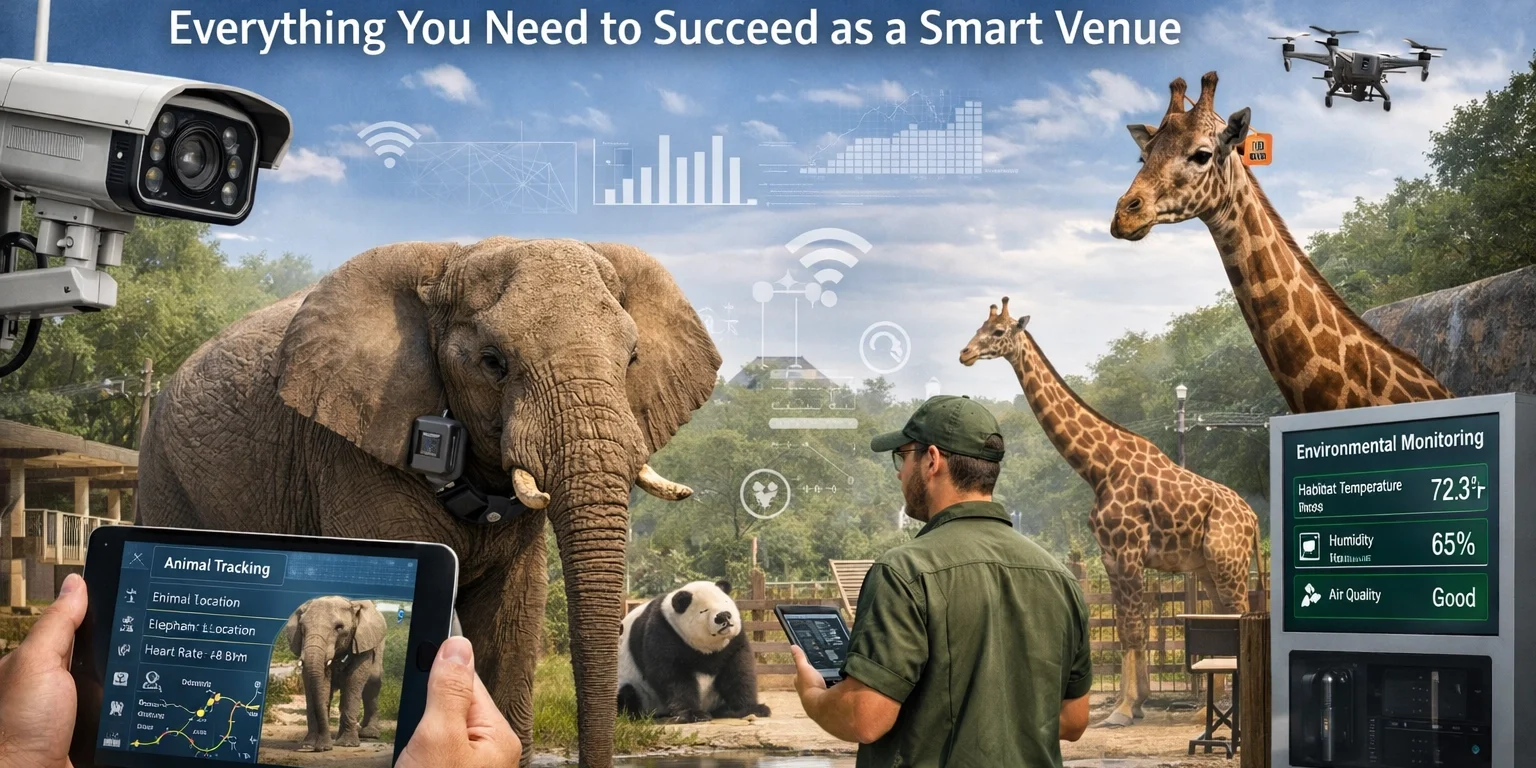
A Smart Zoo is a facility that utilizes Internet of Things (IoT) technology: such as sensors, wearable animal trackers, and connected digital signage: to monitor animal health in real-time, automate environmental controls, and provide personalized, interactive experiences for visitors. This data-driven approach improves conservation efforts while boosting operational efficiency and visitor engagement.
1. Animal Welfare: The Heart of the Smart Venue
The primary mission of any zoo or aquarium is the well-being of its residents. IoT takes "animal care" to a level that was previously unimaginable. Imagine having a 24/7 heartbeat monitor on your most endangered species without ever having to tranquilize them for a check-up.
- Real-time Health Monitoring: IoT sensors attached to animals (or embedded in their environments) track movement, heart rate, and body temperature. This allows your veterinary team to catch signs of illness before they become critical.
- Behavioral Insights: Using deep learning frameworks, you can analyze animal movements to ensure they are engaging in natural behaviors. If a lion is pacing more than usual, the system alerts you immediately.
- Precision Feeding: Smart watering and feeding systems ensure that every animal gets exactly what they need, when they need it. No more guesswork.

2. Environmental Management: Creating the Perfect Habitat
Creating a slice of the Amazon rainforest in the middle of a temperate climate is a massive challenge. Managing these micro-climates used to require constant manual checks. Now, IoT does the heavy lifting.
With smart sensors, you can monitor:
- Humidity and Light: Ensure reptiles get the exact UV exposure required for bone health.
- Water Quality: For aquariums, real-time pH and oxygen sensors are a "sure bet" for keeping delicate aquatic life thriving.
- Automated Adjustments: If a sensor detects a drop in temperature, the IoT system can automatically trigger the heating elements.
This level of automation doesn't just save animals; it saves money on energy costs. It’s a win-win scenario for your budget and your conservation goals. Discover how we integrate these systems at https://www.zoomedia.us.
3. The "Jackpot" of Visitor Experience: Interactive Engagement
Let’s talk about your guests. In the age of smartphones, a static wooden sign just doesn’t cut it anymore. Visitors want to be "in the game." They want interactivity, and IoT delivers this through smart signage and mobile integration.
iBeacons and Proximity Marketing
Using iBeacons, you can send push notifications to a visitor's phone the moment they step in front of the gorilla exhibit. This could be a "fun fact," a video of a recent birth, or even a prompt to donate to a specific conservation project. It’s like giving every guest a personal tour guide in their pocket.
Interactive Displays and Digital Signage
Digital signage is the backbone of modern visual communication. At Zoo Media, we specialize in high-impact displays that change based on the time of day or the weather. On a hot day, your smart signs can automatically promote ice cream at the nearest kiosk. On a rainy day, they can direct guests to the indoor 4D theater.

4. Security and Perimeter Monitoring: Protecting the House
Safety is non-negotiable. Whether it’s preventing unauthorized entry or ensuring an animal doesn't find a creative way out of its enclosure, IoT provides a "security blanket" for your venue.
- Smart Fencing: Sensors can detect vibrations or breaches in a perimeter fence instantly.
- AI-Enhanced Surveillance: Cameras equipped with AI can distinguish between a fallen branch and a person entering a restricted area.
- Crowd Flow Management: By tracking visitor density, you can prevent bottlenecks and ensure a smooth flow of traffic, making the experience safer and more pleasant for everyone.
For those interested in how these systems handle complex data, you might find it as intriguing as learning how the roulette works at the casino, where every movement and variable is calculated for the best outcome.
5. Digital Marketing and Website Development: The Online Mirror
Your physical venue is only half the story. To truly succeed as a smart venue, your digital presence must be just as advanced. This is where digital marketing and website development come into play.
A smart venue needs a smart website. Your site should integrate real-time data from the zoo. Imagine a "Live Habitat Tracker" on your homepage where fans can see the current temperature of the penguin exhibit or a live feed of a nesting bird. This level of transparency builds trust and keeps your audience engaged long after they leave the park.

6. How to Start Your IoT Journey
Transitioning to a smart venue might seem overwhelming, but you don't have to do it all at once. Like any good strategy, it’s about making smart moves.
- Audit Your Current Tech: What do you already have? Most zoos have some form of Wi-Fi; that’s your foundation.
- Identify Pain Points: Is it high energy costs? Low visitor engagement? Start your IoT implementation where it will have the biggest impact.
- Choose the Right Partner: You need a partner who understands both the "Zoo" and the "Media."
At Zoo Media, we don't just provide hardware; we provide a vision. We help you with everything from visual communication strategy to full-scale website development that integrates your IoT data. They're all rather rare features in the industry, but we make them standard.
7. The Bottom Line: Why It’s Time to Go Smart
Investing in IoT is like putting your money on a winning horse. The ROI is found in:
- Increased Revenue: Personalized offers and better visitor flow lead to higher spending.
- Operational Savings: Automated climate and feeding systems reduce labor and energy waste.
- Enhanced Reputation: Being a "Smart Venue" positions you as a leader in conservation and technology.
"I’d love to see every zoo in the country adopt this level of technology," says Dan Kost, CEO of Zoo Media. "It’s not just about the gadgets; it’s about the lives we save and the memories we create for families."
Ready to Level Up Your Venue?
Don't leave your zoo’s future to chance. Whether you want to revamp your digital marketing, improve your visual communication, or start a ground-up website development project, Zoo Media is here to help you win.
Try your luck with a consultation today and see how we can transform your facility into a cutting-edge smart venue.
Contact Us:
- CEO: Dan Kost
- Website: www.dakdan.com
- Phone: AI Receptionist +1 (323) 676-0621
- Corporate Site: www.zoomedia.us
#Motivation #Branding #Strategy #Marketing #AdvertisingAndMarketing #digitalmarketing #Innovation #Sports #SmartZoo #IoT #ConservationTech
Related Content from Zoo Media Network:
Press Release: Zoo Media Announces New IoT Integration Suite for 2026
FOR IMMEDIATE RELEASE
Zoo Media is proud to announce the launch of its "Smart Habitat" suite, a comprehensive IoT package designed specifically for medium-to-large scale aquariums and zoos. By combining real-time animal biometrics with guest-facing interactive displays, Zoo Media is setting a new standard for the industry. "Our goal is to make the 'Smart Venue' accessible to every conservation organization," says Dan Kost, CEO. For more information, visit our website at www.zoomedia.us.