In the rapidly evolving landscape of out-of-home (OOH) advertising, few environments offer the dwell time, emotional engagement, and demographic density of a modern zoo or aquarium. For media buyers, planners, and brand managers, "The Ultimate Guide to Zoo Digital Marketing" isn't just about placing a logo near a lion’s den: it’s about leveraging high-traffic venues to create meaningful, data-driven brand stories.
At Zoo Media, we specialize in the intersection of physical space and digital innovation. Whether you are looking to boost brand recall or drive immediate conversion, understanding the "phygital" nature of these venues is your first step toward a winning campaign.
What is Zoo Digital Marketing? (AEO Snippet)
Zoo Digital Marketing is a multi-channel advertising strategy that utilizes high-traffic wildlife venues to engage visitors through digital signage, mobile integration, geo-fencing, and sponsored interactive content. By combining physical high-dwell environments with digital touchpoints like QR codes and Wi-Fi landing pages, brands can achieve higher engagement rates and measurable ROI compared to traditional broad-reach media.
The Power of High-Traffic Venues
When we talk about high-traffic venues, we are looking at locations that see millions of visitors annually. These aren't just passersby; these are families, tourists, and professionals who spend an average of four to six hours on-site. This extended dwell time provides a unique opportunity for creative services to shine.
Unlike a highway billboard that gets three seconds of attention, a digital kiosk at a zoo can host a two-minute interactive experience. This is where you can truly "tentare la fortuna" (try your luck) with innovative messaging that sticks.
1. The "Phygital" Revolution: Merging Physical and Digital
The modern zoo visitor is never without their smartphone. They are taking photos, checking maps, and sharing experiences on social media. Successful digital marketing in these spaces requires a "phygital" approach: blending the physical environment with a digital layer.
- QR Codes and Augmented Reality: Placing QR codes on animal exhibits allows visitors to unlock exclusive content. Imagine a visitor scanning a code to see a 360-degree view of a habitat.
- Wi-Fi Monetization: Offering free high-speed internet is a service visitors love. In exchange, brands can utilize a landing page for lead generation or to showcase promotional offers.
- Interactive Kiosks: These are the heart of on-site engagement. Much like a slot machine in linea, these kiosks can offer instant-win prizes or trivia games that keep the brand top-of-mind.

2. Strategic Audience Segmentation
One of the biggest mistakes media planners make is treating all zoo visitors as a monolithic group. To succeed, you must segment your audience to deliver the right message at the right time.
- The Family Unit: These are your primary spenders. They are looking for convenience, value, and educational entertainment. Marketing campaigns should focus on family-friendly products and "limited time" offers.
- The Tourist: Often with higher disposable income, tourists are looking for "must-see" experiences. PPC ads targeting "things to do today" can drive this traffic directly to your sponsored exhibits.
- The Conservationist/Professional: This group cares about the mission. Purpose-driven branding that highlights a brand’s commitment to sustainability or wildlife preservation resonates deeply here.
3. Gamification and Engagement
Why do people love interactive digital signage? Because it’s fun. Incorporating game mechanics: like those found in 7 bit casino bonus: can drastically increase engagement.
For instance, a "Scavenger Hunt" app where visitors collect digital badges at various sponsored locations around the park not only increases foot traffic to specific areas but also gamifies the brand experience. It’s about creating that "winning" feeling for the visitor. They get a prize (a discount, a free souvenir), and you get the data and brand loyalty.

4. Creative Services: Designing for the Environment
Your creative needs to be native to the environment. A high-energy, flashing neon ad that works in Times Square might feel jarring in a tranquil botanical garden or a nocturnal house.
- Visual Content: High-definition video of animal care or behind-the-scenes footage is highly effective.
- Tone: Keep it professional yet accessible. Use a "guida" style that informs and delights.
- Speed: Ensure all digital assets linked via QR codes or apps load in under three seconds. In a world of instant gratification, a slow landing page is a lost lead.
5. Media Buying and Performance Metrics
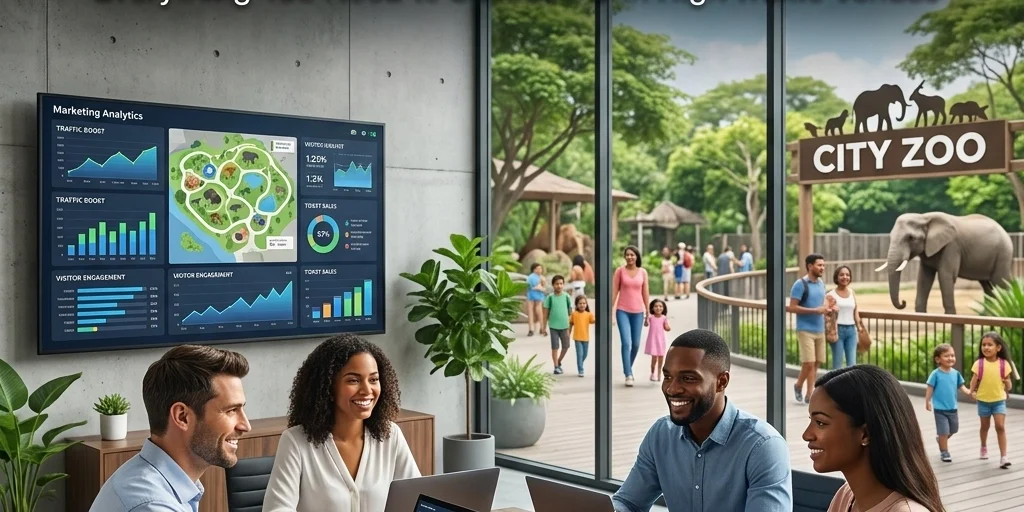
For brand managers, the "gut feeling" is no longer enough. You need hard data. Zoo Media’s network provides real-time dashboards where you can track:
- Total Impressions: How many eyes were on the screen?
- Engagement Rate: How many people interacted with the touch-kiosk?
- Conversion Rate: How many visitors used the bonus benvenuto or discount code provided?
This data allows for strategic pivots. If one exhibit is outperforming another, you can reallocate your budget mid-campaign to maximize ROI.
6. Corporate Sponsorship Opportunities
Beyond standard 30-second spots, zoos offer unique corporate sponsorship opportunities. These are deep integrations where a brand becomes synonymous with a specific attraction.
For example, a travel brand might partner with Zoo Media Travel to sponsor the migratory bird exhibit, linking the concept of global travel with nature. This kind of contextual placement is gold for media buyers looking for "high-intent" environments.
7. The Security of Your Investment
In the digital world, security and brand safety are paramount. Just as players look for casino con prelievo sticpay for secure transactions, advertisers need to know their ads are being shown in a brand-safe, family-friendly environment. Zoos provide a "walled garden" where your content isn't competing with controversial social media posts or questionable web content.
Case Study: The Power of the "Instant Win"
We recently implemented a campaign for a national snack brand. By placing interactive "Spin to Win" digital kiosks near the food courts, we achieved a 40% higher engagement rate than their traditional mobile banner ads. The "thrill of the game": much like the excitement one feels when they gioca book of shadows: translated directly into immediate sales at the nearby snack stands.

Performance Optimization Checklist
To ensure your zoo digital marketing campaign is a "big win," follow this checklist:
- Mobile-First Design: Is the content optimized for a 6-inch screen?
- Contextual Relevance: Does the creative match the animal or habitat nearby?
- Clear CTA: Is it obvious what the visitor should do next? (e.g., "Scan to Save")
- Data Integration: Are you tracking scans, clicks, and dwell times?
- Value Exchange: Are you offering the visitor something in return for their attention?
The Future: AI and Personalization
As we move toward 2027, AI will play a larger role in how we deliver content in high-traffic venues. Predictive analytics will allow us to change the creative based on the weather, the time of day, or even the crowd density. Imagine a kiosk that suggests a "cool down" beverage when the temperature hits 90 degrees, or a "warm up" jacket when a cold front moves in.
Why Zoo Media?
At Zoo Media, we aren't just an advertising company; we are your partners in innovation. We understand the nuances of the zoo environment, from the technical requirements of outdoor digital signage to the psychological triggers of the visitor journey.
We offer a full suite of services, including:
- ZooMedia Network Access: Entry into the top-tier venues across the country.
- Creative Services: Custom content design tailored for high-traffic environments.
- Data Analytics: Deep dives into visitor behavior and campaign performance.
- Cross-Platform Integration: Syncing your on-site ads with your broader digital strategy.
If you are ready to "tentare la fortuna" and see how high-traffic venues can transform your media plan, it's time to act. Don't let your brand get lost in the noise of traditional digital ads. Stand out where it matters most.
Conclusion
Digital marketing in zoos and aquariums is more than a niche; it’s a high-performance channel for those who know how to use it. By focusing on phygital integration, audience segmentation, and interactive creative, you can turn a simple zoo visit into a lifelong brand connection.
Whether you're a seasoned media buyer or a brand manager looking for fresh opportunities, the "Ultimate Guide" boils down to one thing: Engagement is the new currency. And in the zoo, engagement is everywhere.
Explore the possibilities today. Scopri la tua fortuna con Zoo Media!
Contact Information:
Dan Kost, CEO
Zoo Media Network
Visit us at: www.zoomedia.us
Corporate Site: www.dakdan.com
AI Receptionist: +1 (323) 676-0621
#Motivation #Branding #Strategy #Marketing #AdvertisingAndMarketing #digitalmarketing #Innovation #Sports #ZooMedia #MediaBuying #CreativeServices
This post is part of our daily series exploring the intersection of technology, wildlife conservation, and modern advertising. Stay tuned for our daily press release and more insights into the Zoo Media Network.