A smart zoo or aquarium connects IoT sensors, digital signage, interactive displays, content management systems, and analytics to improve daily operations, visitor communication, animal care, and revenue performance.
The payoff is practical: fewer manual tasks, faster updates, better crowd flow, more useful visitor data, and new opportunities for memberships, donations, food service, events, and sponsorships.
In other words, smart venue technology is not just a shiny screen in a nice location. It is an operating system for a better guest experience.
The Operational Challenge: Running a Living, Moving Venue
Zoos and aquariums are complex environments.
They manage large campuses, changing weather, live animals, water systems, food service, retail, education programs, special events, memberships, and thousands of visitors with very different needs.
A static sign may be accurate when it is installed. Five minutes later, an animal may be off exhibit, a keeper talk may move, or a crowded path may require a change in direction.
Traditionally, staff have handled these updates manually. That can mean printing new signs, walking across the grounds, answering the same question dozens of times, or discovering a maintenance problem only after something fails.
Smart venue technology changes that equation by allowing teams to monitor, update, and improve the venue from a connected digital platform.
1. IoT Helps Teams See What Is Happening in Real Time
The Internet of Things, or IoT, connects physical devices to a shared network.
In a zoo or aquarium, those devices may include:
- Temperature, humidity, salinity, and water-quality sensors
- Foot-traffic counters and anonymous occupancy tools
- Equipment monitors for pumps, filtration, HVAC, and lighting
- Digital displays and interactive kiosks
- Mobile applications and Wi-Fi systems
- Point-of-sale and ticketing platforms
- Membership, donation, and CRM systems
This creates a more complete operational picture.
Animal care teams can receive alerts when habitat conditions move outside preferred ranges. Facilities teams can identify equipment issues before a pump or filtration system creates a major disruption. Guest services teams can see where visitors are gathering and adjust staffing accordingly.
The important point is not that every venue needs thousands of sensors on day one. The better approach is to identify the operational problems that matter most and connect the data that can help solve them.
2. Smart Signage Eliminates the “Print, Walk, Repeat” Cycle
Static signage is familiar. It is also expensive to update at scale.
A cloud-connected digital signage network lets authorized teams update multiple displays from a central content management system. Marketing, education, guest services, and operations can publish approved information without each department creating its own version of reality.
Smart signage can communicate:
- Exhibit closures and temporary changes
- Feeding times and keeper talks
- Live directions and digital maps
- Weather, safety, and accessibility information
- Dining and retail promotions
- Event reminders
- Membership and donation opportunities
- Conservation stories
- Sponsor messages
That can reduce the staff time spent designing, printing, installing, removing, and replacing physical notices.
It also improves consistency. When a schedule changes, the entrance display, exhibit screen, mobile platform, and website can all reflect the same update.
That is visual communication doing more than looking good. It is helping the organization operate with fewer information gaps.

Example: Colchester Zoo
Colchester Zoo’s digital signage case study provides a useful example of operational efficiency in action.
The zoo replaced printed menu boards at multiple eateries and static visitor noticeboards throughout the property. Its digital and marketing team wanted a platform that could update menus, prices, events, offers, and safety information quickly.
Using a centrally managed digital signage solution, the team gained the ability to:
- Update multiple screens simultaneously
- Schedule content in advance
- Change menu items and prices without reprinting
- Broadcast instant messages
- Scale the network as new screens are added
The results included more flexible communication, faster updates, and less physical signage taking up space along visitor paths.
No dramatic robot takeover was required. Just fewer trips carrying hardboard signs.
3. Interactive Displays Reduce Repetitive Questions
Interactive displays can improve visitor experience while reducing pressure on front-line teams.
A well-designed kiosk can answer common questions about:
- Directions
- Exhibit schedules
- Accessibility services
- Dining and restrooms
- Animal facts
- Event registration
- Membership benefits
- Donation options
This gives visitors immediate help and allows staff to focus on higher-value interactions, such as education, guest recovery, animal interpretation, and personal service.
Interactive technology can also make education more engaging. Visitors might explore migration routes, compare species, see underwater ecosystems, or learn how conservation funding supports field programs.
The best displays do not compete with the living exhibit. They reveal what visitors cannot easily see: underwater behavior, nocturnal activity, animal movement patterns, veterinary care, or the effects of climate change.
4. Better Data Improves Staffing and Crowd Flow
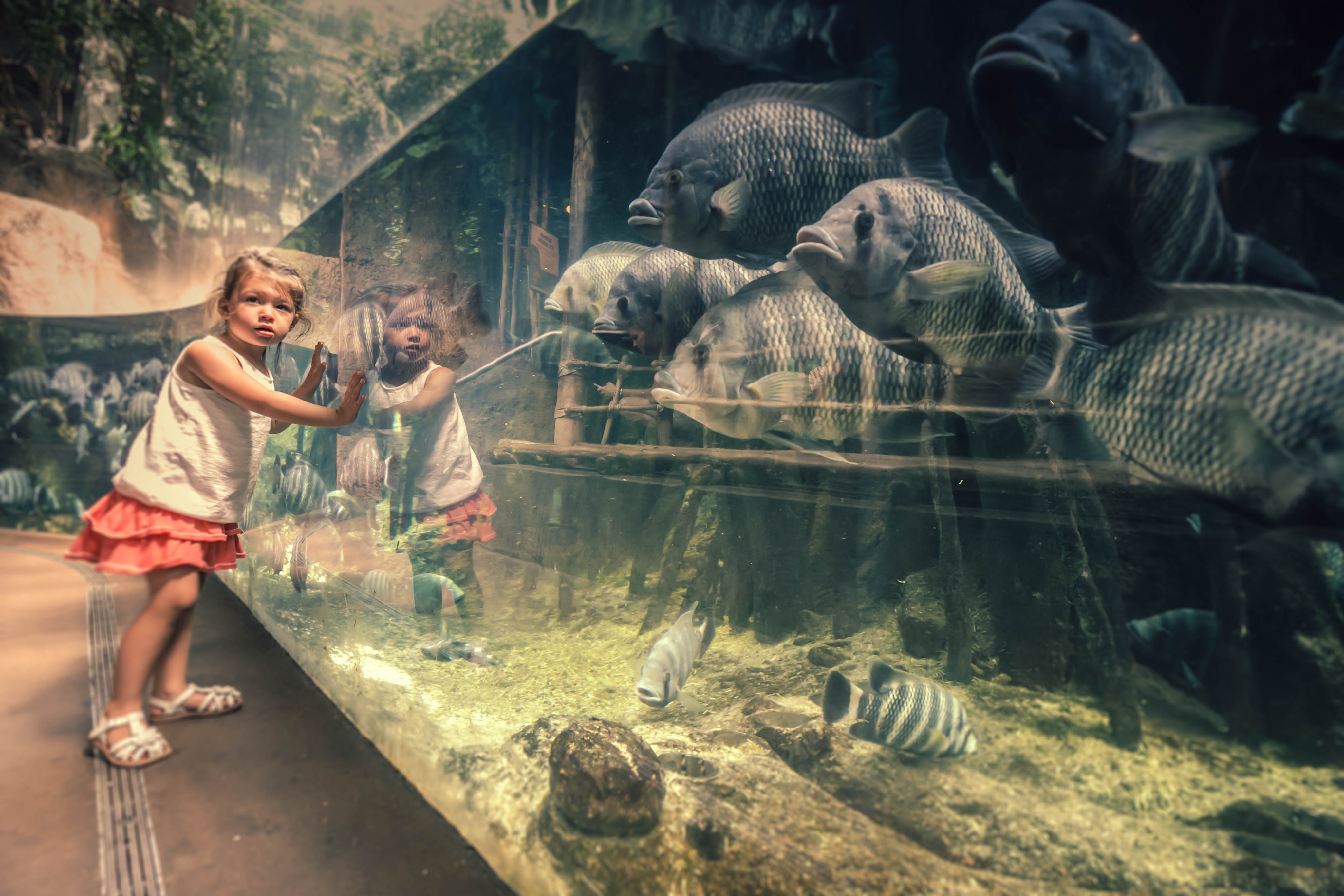
A large zoo can have several busy zones at once. An aquarium may experience sudden congestion around a feeding event, popular exhibit, or school group.
Connected wayfinding, occupancy data, and digital displays can help operations teams respond sooner.
For example:
- A crowded penguin exhibit can trigger alternate route messaging.
- A delayed keeper talk can be updated across nearby displays.
- A quiet retail area can receive a timely promotion.
- A long food-service queue can prompt visitors toward another dining location.
- Staff can be repositioned based on actual visitor movement rather than assumptions.
This does not mean tracking people invasively. Venues should use privacy-conscious, aggregated data and communicate clearly about how information is collected and used.
The goal is simple: place the right information and the right staff in the right place at the right time.
5. Real-World Case Study: Lincoln Park Zoo
Lincoln Park Zoo in Chicago offers a strong example of how digital signage can support both visitor experience and operational performance.
The zoo wanted to modernize wayfinding, programming information, and visitor communication without disrupting the natural character of the property. Weather was a major consideration, with Chicago’s cold winters, humid summers, and variable outdoor lighting.
The project, documented by Digital Signage Today, launched in 2023 and was completed in August 2024.
The deployment included:
- Outdoor smart kiosks near high-traffic areas
- High-brightness outdoor displays
- Indoor displays in the Searle Visitor Center
- BrightSign media players
- Centralized content management
- Durable mounts and weather-resistant equipment
The zoo also considered animal welfare during placement. Displays were positioned to avoid disrupting natural lighting patterns around animal habitats.
From an ROI perspective, the project delivered value in several ways:
- Centralized updates reduced the time and resources required to manage static signage.
- Dynamic promotions encouraged participation in events and activities.
- Better wayfinding helped visitors find exhibits and amenities more easily.
- Digital content created new opportunities for advertising and promotional revenue.
- Durable outdoor hardware helped protect the long-term value of the investment.
The lesson for directors and technology partners is important: the most effective deployment was not based on installing the biggest screen available. It was based on matching the technology to the venue’s goals, climate, infrastructure, visitor patterns, and animal welfare requirements.
6. Smart Venue Technology Creates Measurable Sponsorship Inventory
For brand managers, creative directors, media buyers, and advertising agencies, connected venues create more valuable media opportunities.
A static billboard delivers one message to everyone. A digital venue network can deliver content based on:
- Location
- Time of day
- Event schedule
- Weather
- Exhibit activity
- Audience needs
- Campaign objectives
Potential sponsorship placements include:
- Conservation education kiosks
- Digital wayfinding hubs
- Feeding-time countdowns
- Aquarium video walls
- Sponsored animal-care stories
- Interactive species challenges
- Donation stations
- Dining and retail displays
- Event and membership screens
Campaign performance can be measured through:
- Screen plays and estimated impressions
- Dwell time
- QR scans
- Website visits
- Event registrations
- Membership conversions
- Donation activity
- Interactive engagement
- Sponsor content completion
This is where digital marketing, website development, and visual communication work together.
A visitor might see a sponsor-supported conservation message, scan a QR code, visit a campaign landing page, make a donation, and receive a relevant follow-up invitation. That is a connected media journey rather than a disconnected ad placement.
How to Measure the Business Case
A smart venue project should have a measurement plan before installation begins.
A useful ROI framework is:
ROI = (annual operating savings + incremental revenue − annual technology costs) ÷ initial investment
Track both financial and operational outcomes, including:
- Staff hours saved
- Printing and installation costs avoided
- Maintenance incidents prevented
- Average dwell time
- Visitor satisfaction
- Membership conversions and renewals
- Donation activity
- Food and retail sales
- Sponsor impressions and engagement
- Event participation
- Repeat visitation
Not every benefit will appear immediately as ticket revenue. Some of the strongest returns may come from reduced workload, improved reliability, better visitor circulation, and more accurate sponsor reporting.
A Practical Starting Plan for Zoo and Aquarium Leaders
A smart venue transformation does not have to begin with a campus-wide overhaul.
Start with one measurable operational challenge.
- Audit the visitor journey. Identify bottlenecks, confusing routes, outdated information, and underused areas.
- Choose a pilot zone. Consider an entrance, aquarium gallery, food-service area, or high-traffic exhibit.
- Define success metrics. Decide what you want to improve before selecting hardware.
- Plan content ownership. Assign responsibility for updates, approvals, accessibility, and maintenance.
- Protect animal welfare and privacy. Review light, sound, placement, data collection, and emergency procedures.
- Connect the systems. Link signage with the website, CRM, ticketing, membership, donations, and analytics where appropriate.
- Review results quarterly. Use the data to improve content, staffing, visitor flow, and sponsor packages.
The Smart Venue Is a Better-Run Venue
IoT, smart signage, and interactive displays are not replacing the wonder of seeing a live animal.
They are helping visitors understand it, find it, and connect it to a larger conservation mission.
For zoo and aquarium directors, the business case is increasingly clear. Connected technology can reduce manual work, improve operational response, support animal care, strengthen visitor communication, and create new revenue opportunities.
For brands and agencies, it creates a measurable environment where digital marketing and meaningful storytelling can meet.
Zoo Media helps zoos, aquariums, brands, and technology partners develop smarter visitor experiences through strategic technology, digital marketing, website development, sponsorship strategy, and visual communication.
Ready to explore a smarter venue strategy?
- Zoo Media: zoomedia.us
- Business and technology resources: www.dakdan.com
- AI Receptionist: +1 (323) 676-0621
- Leadership: Dan Kost, CEO
Tags
#Motivation #Branding #Strategy #Marketing #AdvertisingAndMarketing #digitalmarketing #Innovation #Sports #ZooMedia #SmartVenues #IoT #DigitalSignage #InteractiveDisplays #VisualCommunication #WebsiteDevelopment #ConservationTechnology #AquariumTechnology #VisitorExperience #OperationalEfficiency #SponsorshipROI #VisitorAnalytics