What is a smart zoo?
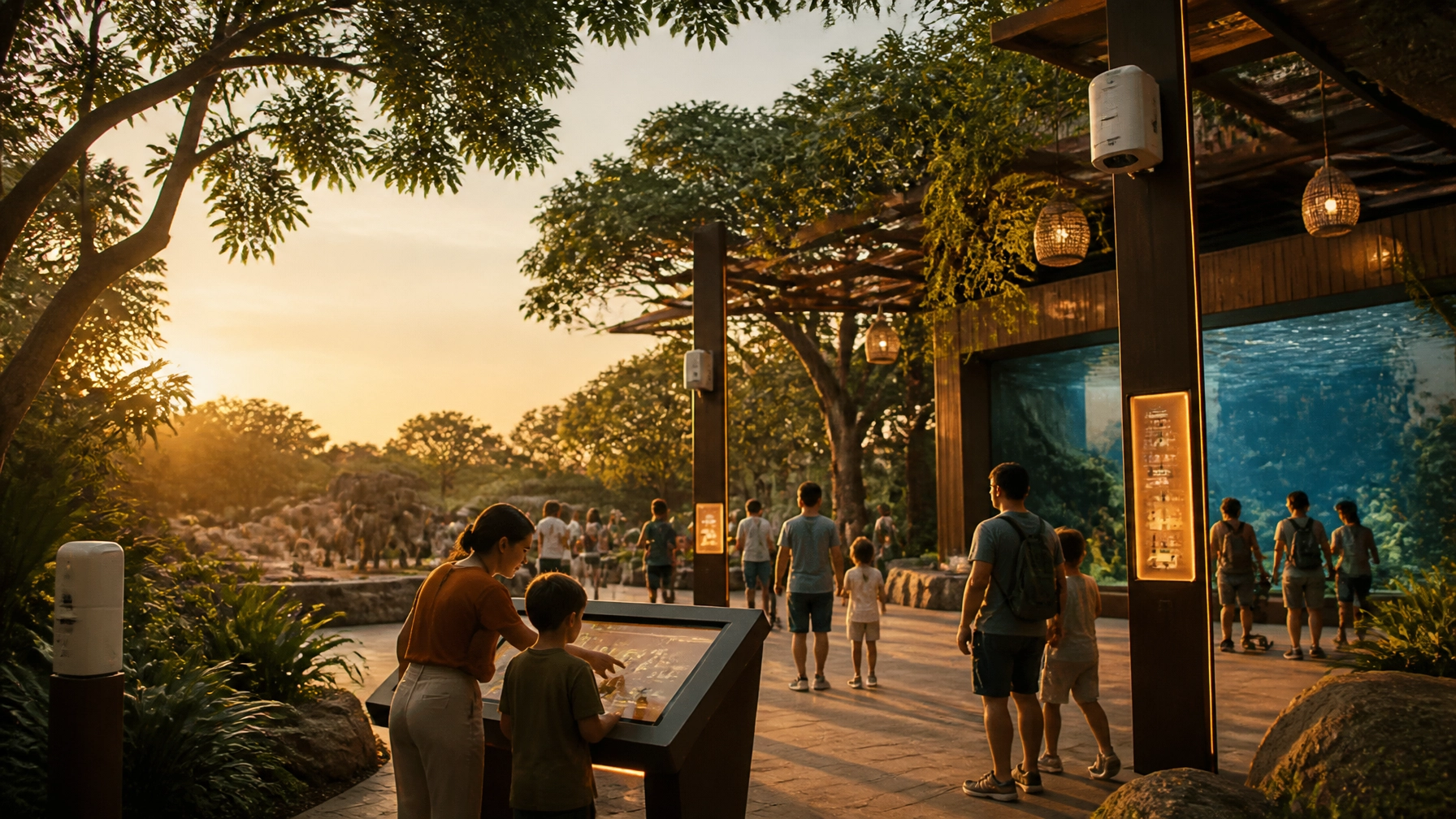
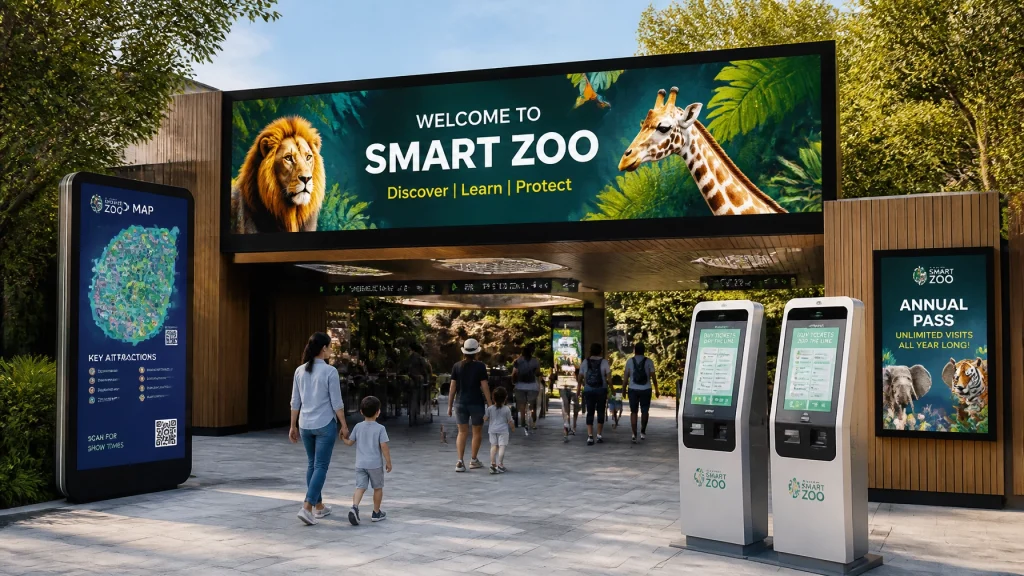
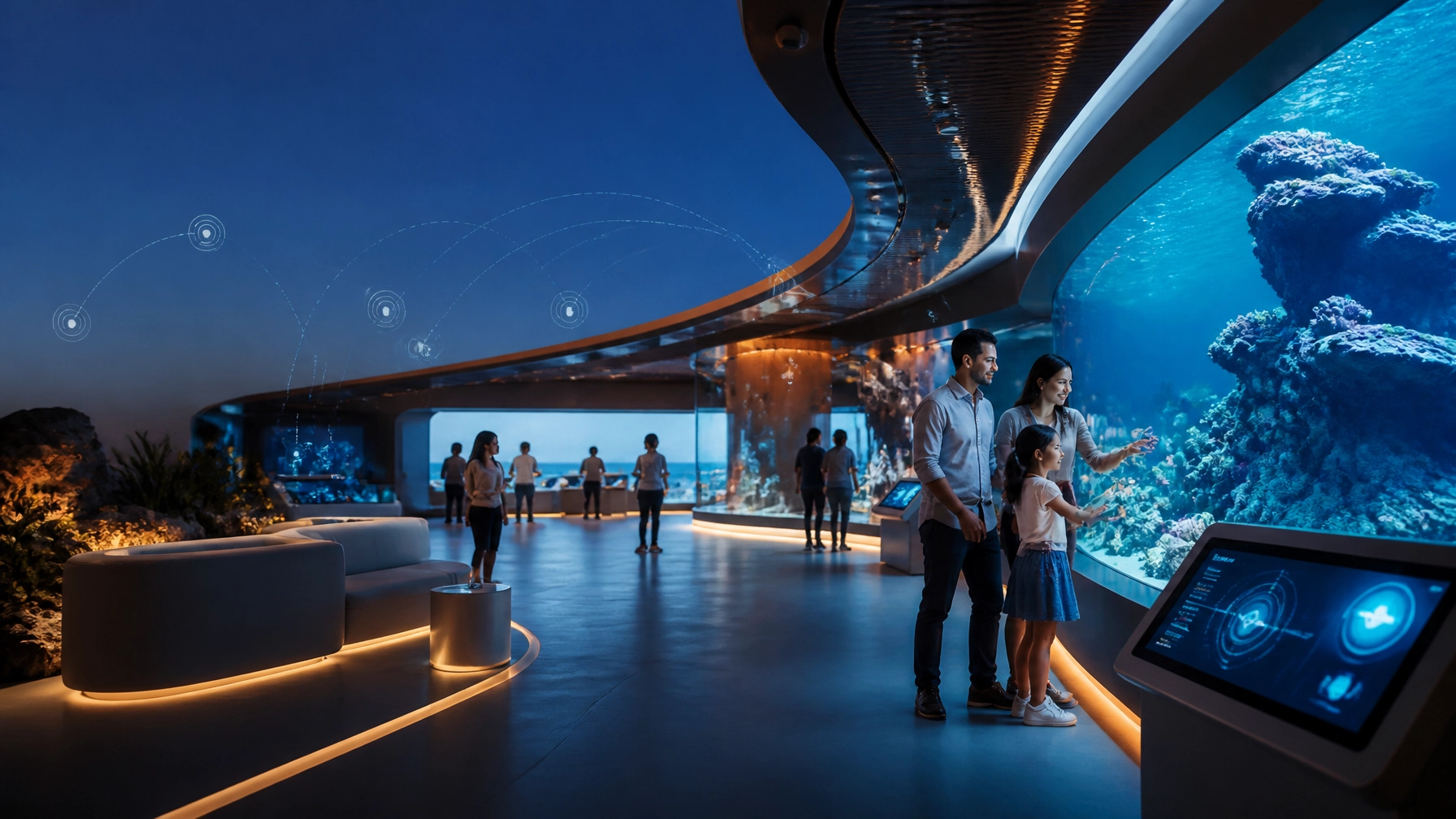
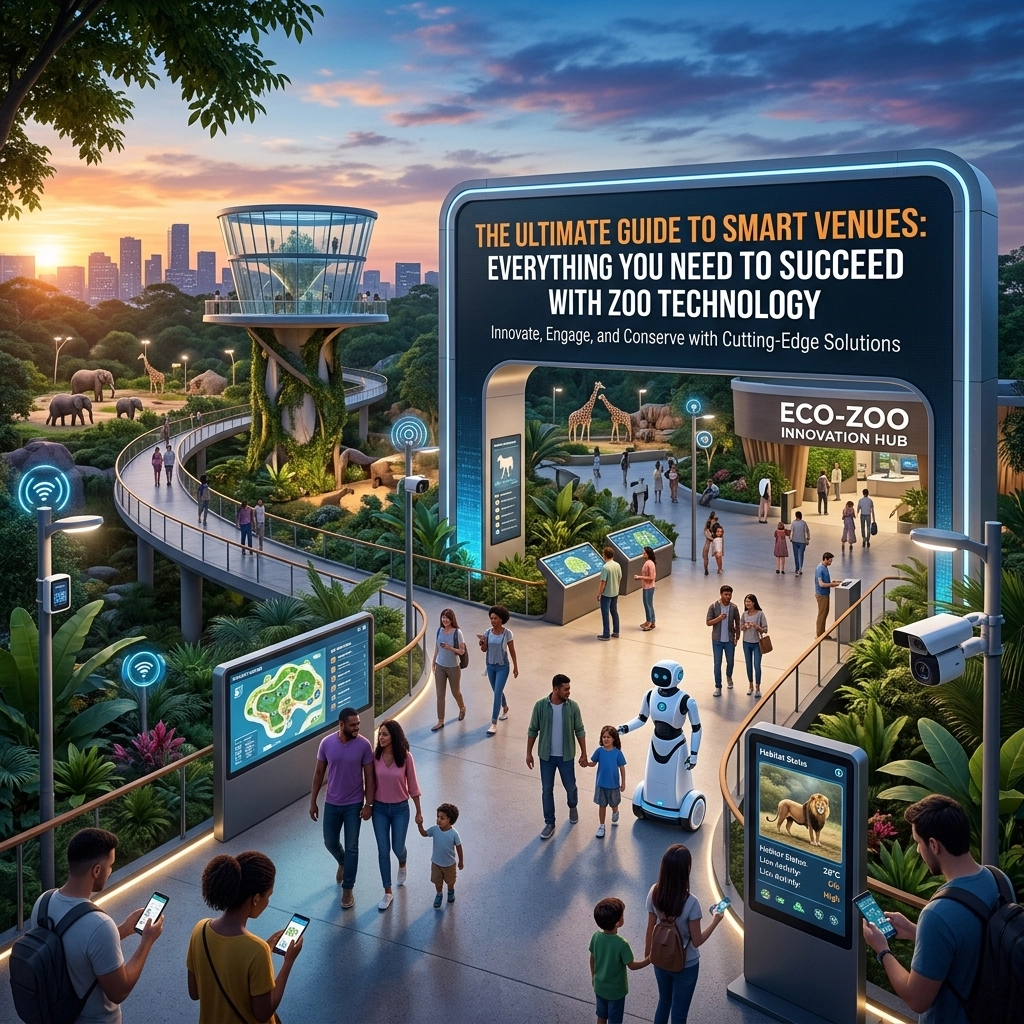
A smart zoo is an integrated ecosystem that leverages Internet of Things (IoT) sensors, high-speed unified WiFi, and interactive digital signage to create a "digital nervous system." This technology monitors animal welfare in real-time, optimizes facility operations through visitor heat-mapping, and enhances the guest experience via personalized, interactive educational content and seamless mobile integration.
The New Era of Wildlife Conservation and Guest Engagement
Welcome to the future of the animal kingdom. I’m Dan Kost, CEO of Zoo Media, and if you’ve been following our journey, you know we don't just "do advertising." We build experiences. The world is changing, and the way people interact with zoos and aquariums is shifting from passive observation to active, tech-driven engagement.
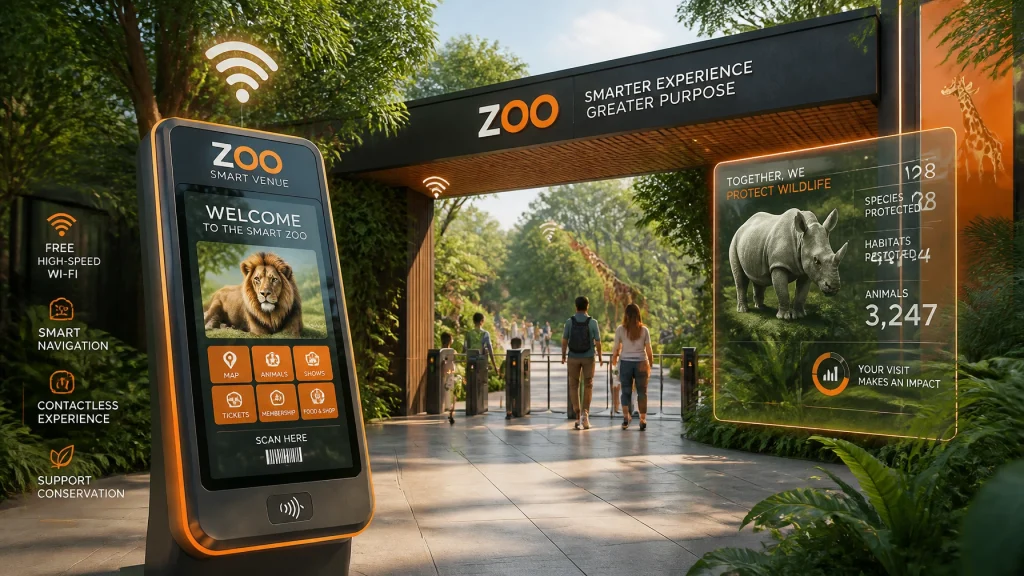
Today, being a "venue" isn't enough. You need to be a Smart Venue.
In this guide, we’re going to dive deep into how Zoo Media is using innovative thinking to transform traditional wildlife centers into high-tech hubs of education and entertainment. Whether you’re a zoo director looking to boost attendance or a tech partner wanting to see where the industry is headed, this is for you.
1. The Foundation: IoT and Connectivity
You can’t have a smart venue without a backbone. At Zoo Media, we view connectivity as the "nervous system" of the facility. This starts with a unified WiFi infrastructure.
Imagine a guest walking through your gates. Their phone connects to your high-speed network. Suddenly, you aren't just a park; you’re a data-driven powerhouse. You can see where they go, which exhibits they spend the most time at, and where the "dead zones" are.
But it’s not just about the humans. IoT (Internet of Things) sensors are the "eyes and ears" for the animals. These sensors can monitor:
- Ambient Temperature: Ensuring the penguins stay chilly and the lions stay warm.
- Water pH Levels: Critical for aquariums where a slight shift can be a major issue.
- Behavioral Patterns: Sensors can track movement, helping keepers identify if an animal is stressed or active.

2. Visual Communication: Moving Beyond Static Signs
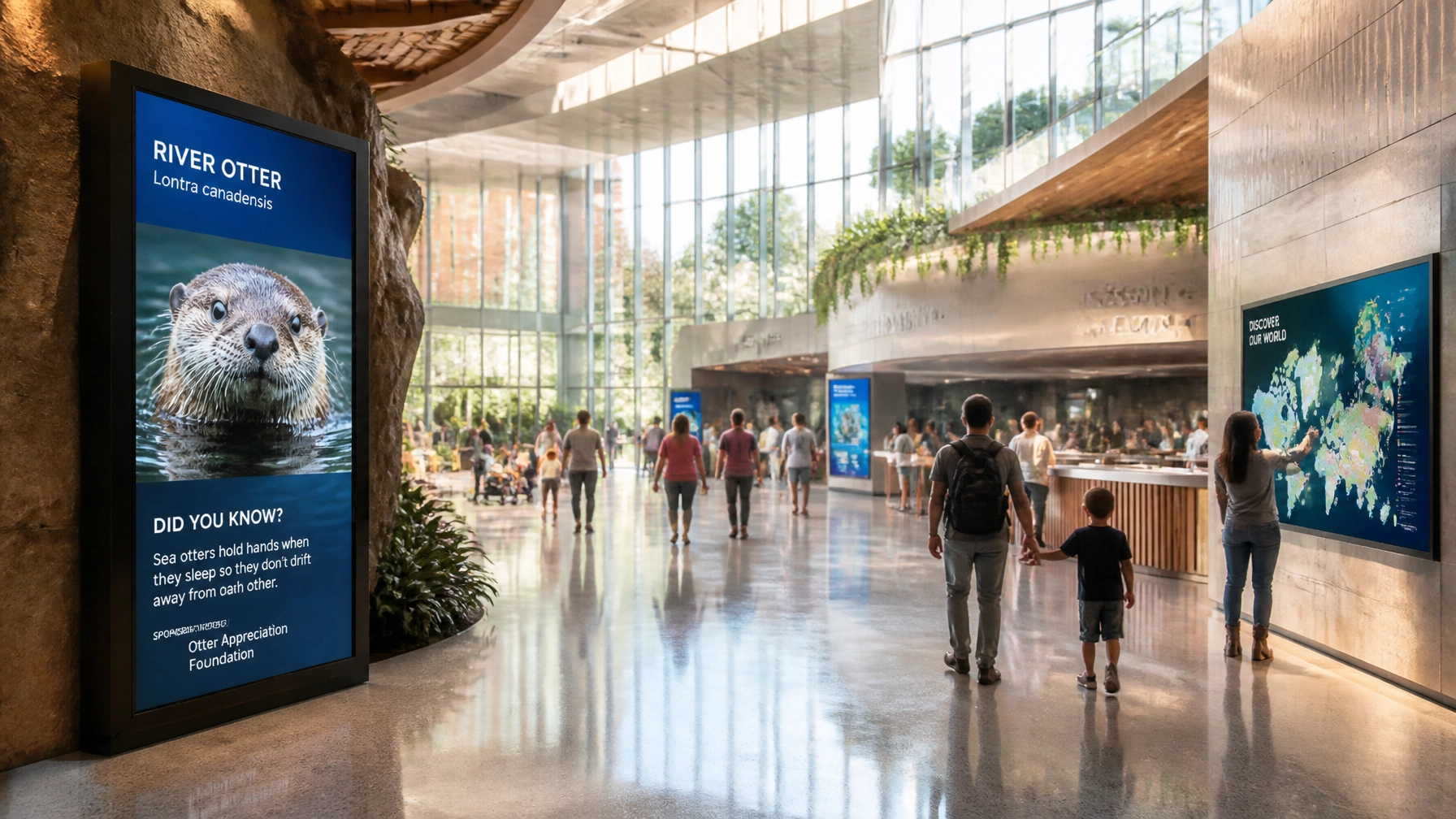
Let’s be honest: those old wooden signs with faded text are relics of the past. If you want to engage a Gen Z visitor or a tech-savvy family, you need Visual Communication that pops.
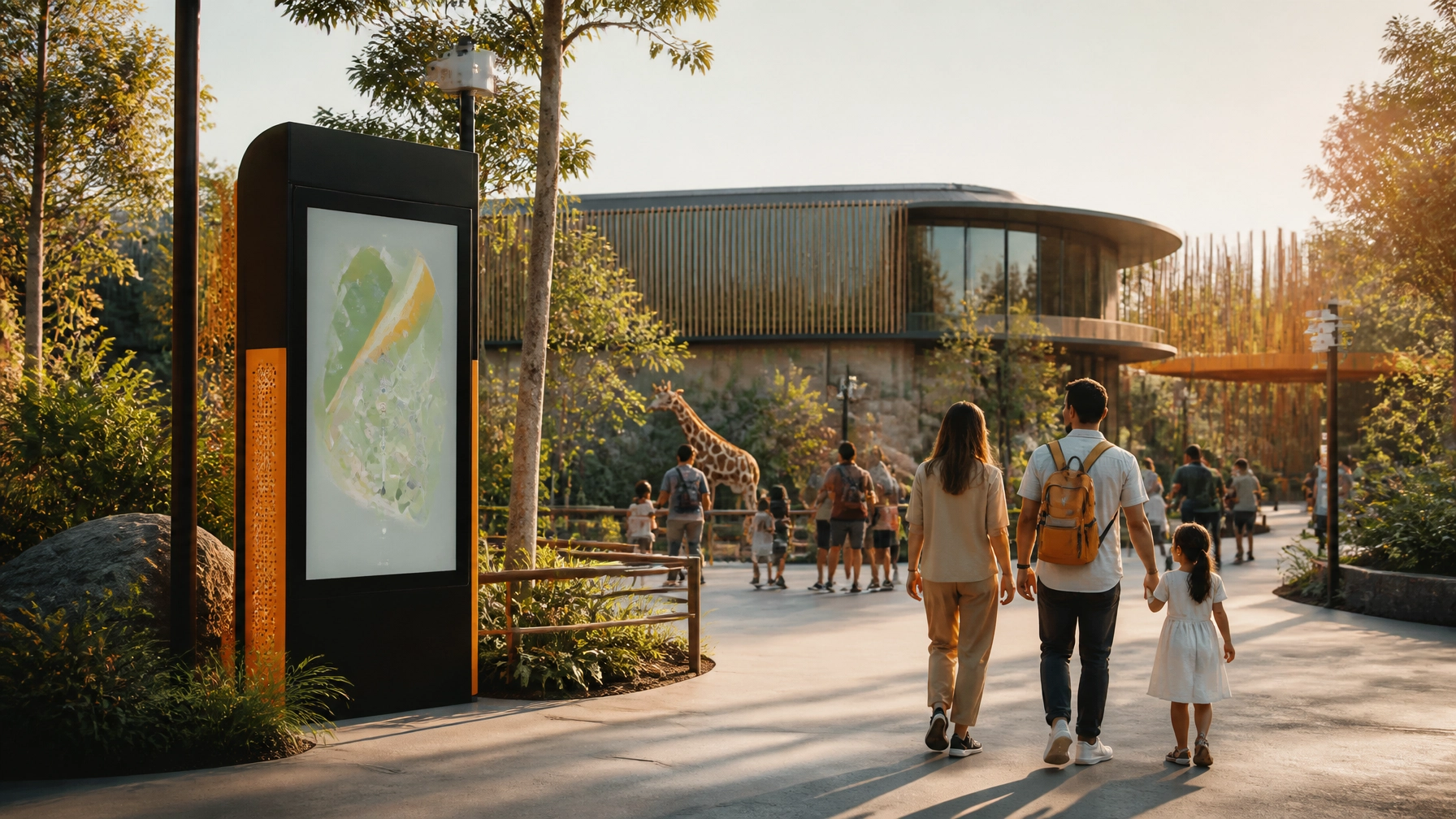
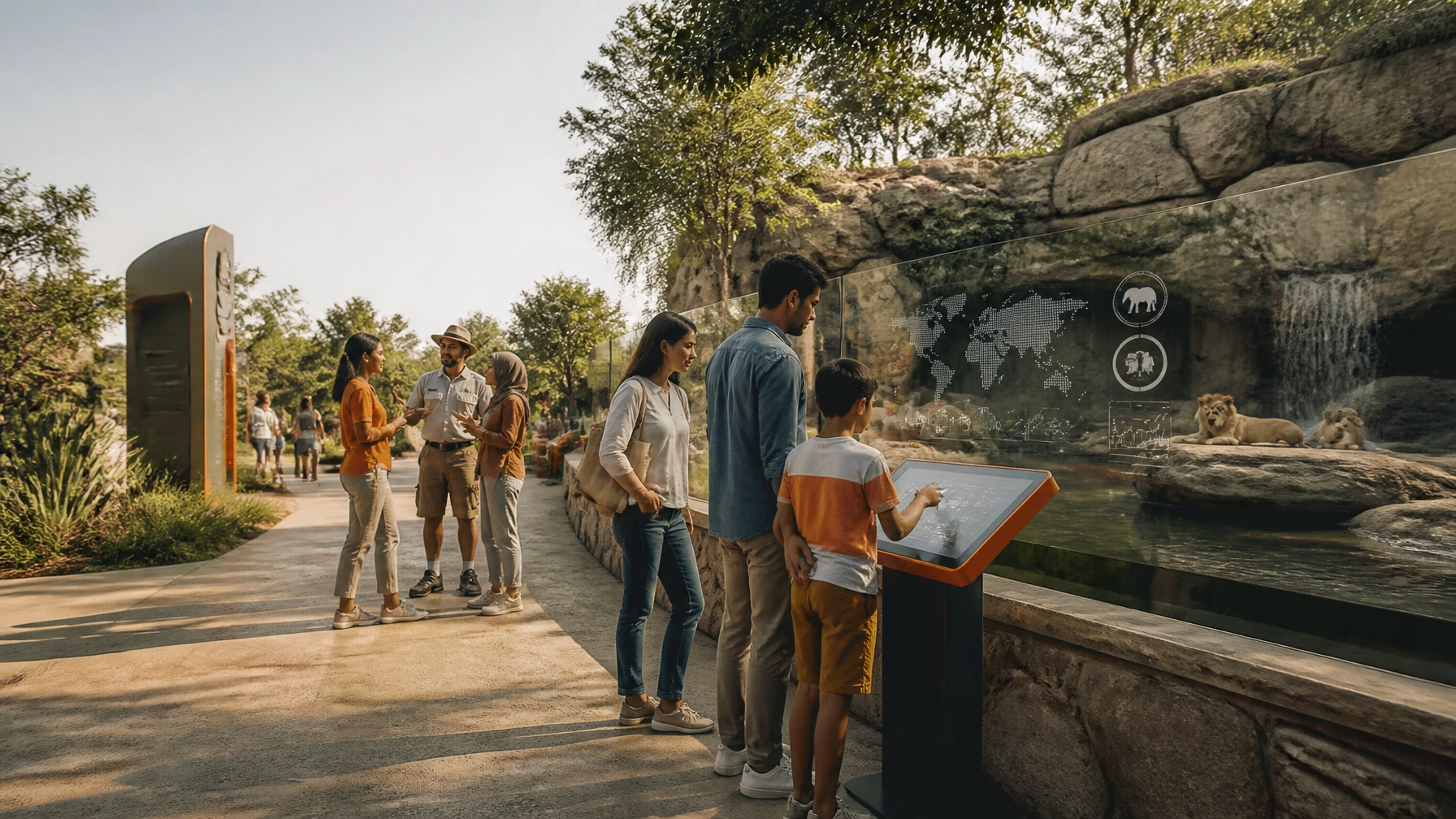
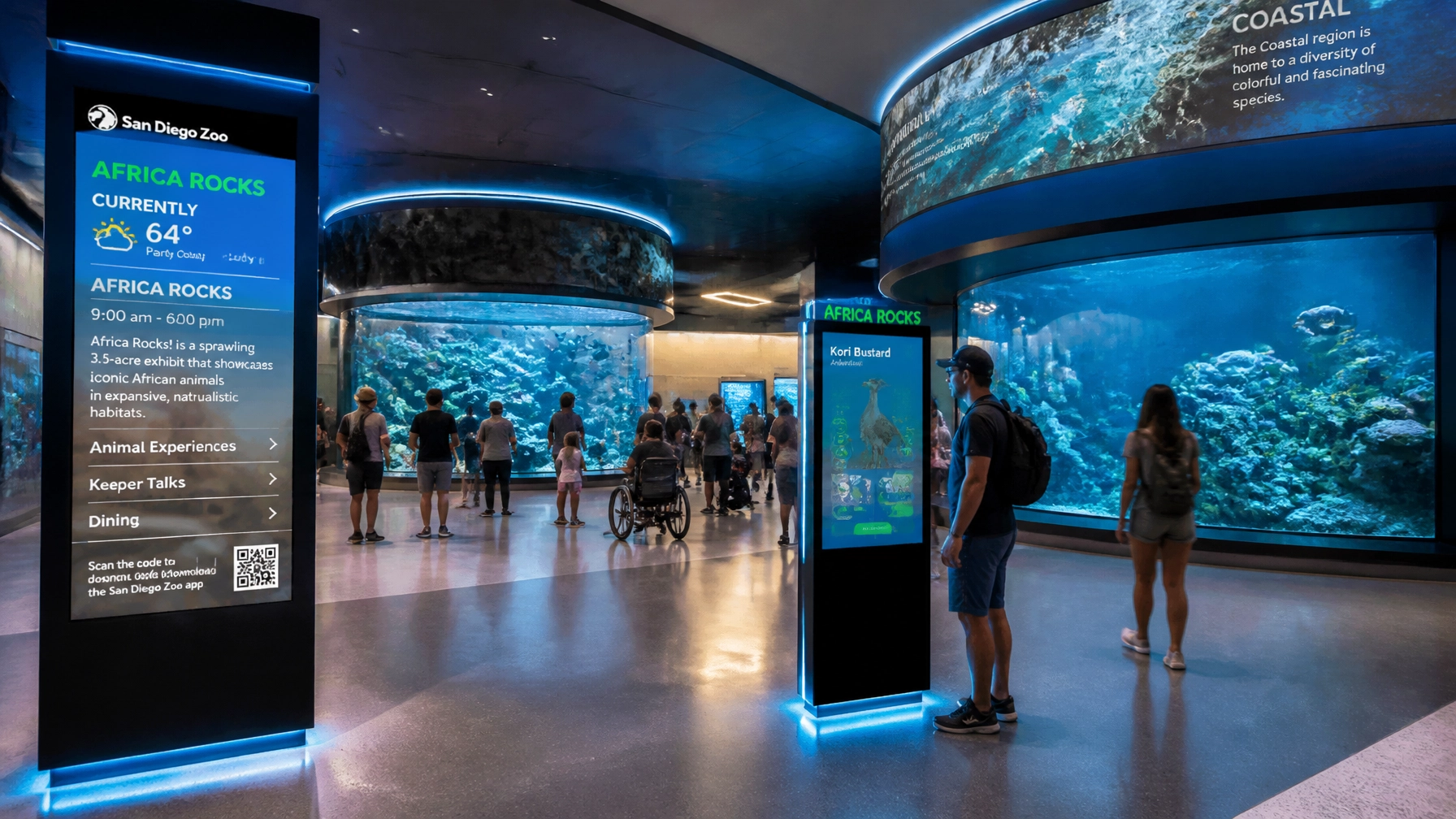
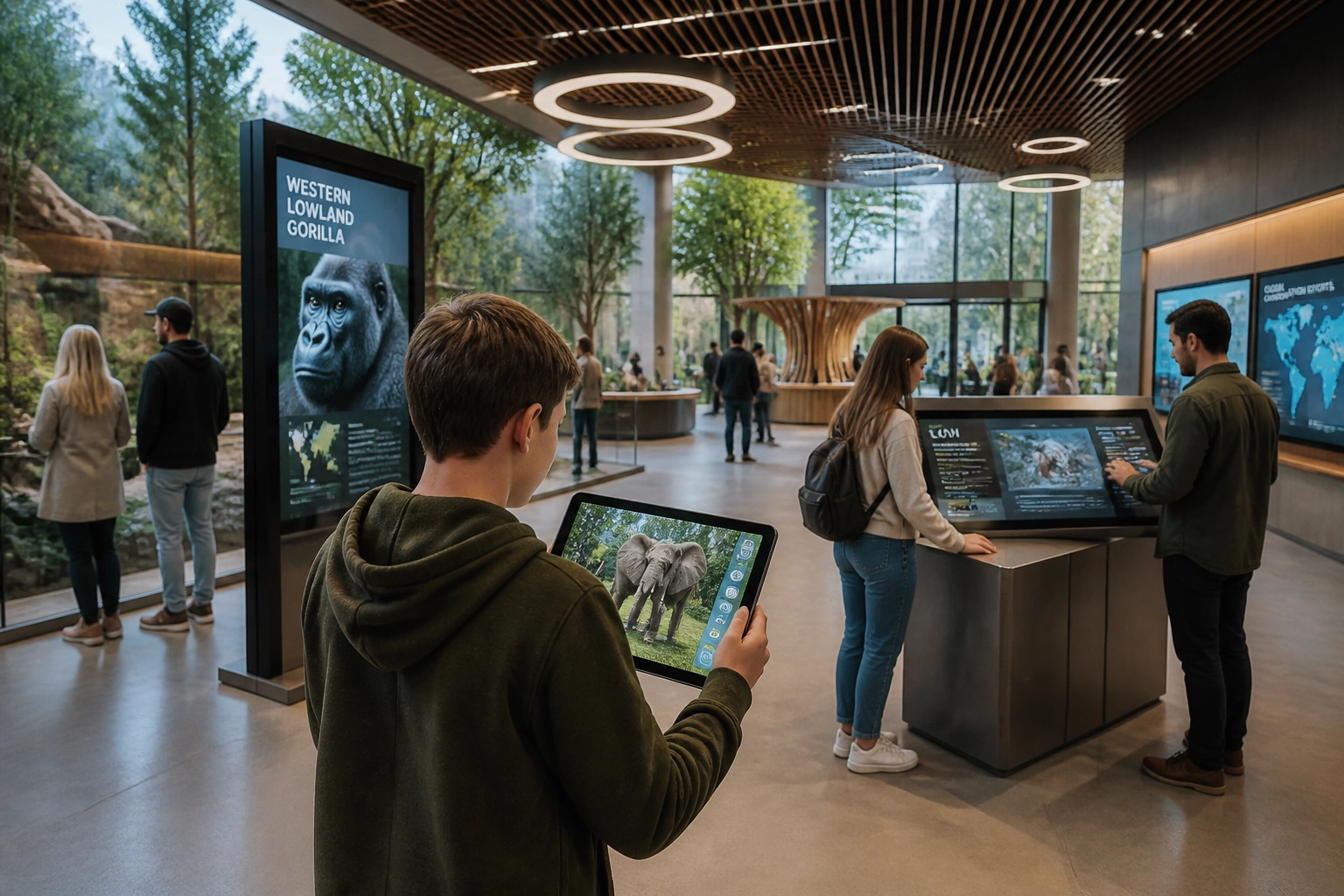
Digital signage and interactive displays are the game-changers here. Why? Because they are dynamic. If the lions are napping in the back of their enclosure where no one can see them, a digital display can automatically switch to a high-definition video of them playing from earlier that morning.

We often suggest that zoos take a page out of the modern entertainment playbook. Think about the thrill of a high-stakes environment. For example, the interface of a modern roulette game or the engaging visuals of online slot machines are designed to keep users engaged and excited. While a zoo is educational, the technology behind the engagement should be just as sleek and responsive.
By using centralized content management systems, a director can update every sign in the park with a single click. Promoting a "Feeding Time" in ten minutes? Send an alert to every screen. It’s that easy.
3. Website Development and the "Digital Front Door"
Your smart venue starts long before the guest arrives at the gate. It starts on their smartphone or laptop.
Website development for a smart zoo isn't just about showing ticket prices. It’s about integration. Your site should be the hub where guests can:
- Purchase smart tickets that sync with their mobile wallets.
- View live "webcams" of popular exhibits.
- Access an interactive map that uses GPS to guide them through the park.
We see a lot of facilities struggling with outdated web tech. If your site doesn't load in two seconds, you've lost the guest. At Zoo Media, we focus on building robust, SEO-friendly platforms that act as a pre-visit concierge.
Check out how the pros do it at ZooMediaNetwork.com. The goal is to make the digital experience as seamless as a top-tier casino withdrawal process: fast, secure, and user-friendly.
4. Interactive Tech and Gamification: "Scopri la tua fortuna"
One of the most exciting trends we are implementing is gamification. We want guests to feel like they are on an adventure.
Through interactive kiosks and mobile apps, we can create "Scavenger Hunts" where kids (and adults!) earn badges for visiting different conservation stations.
- Touchscreen Kiosks: Let guests "play" a game that teaches them about ocean plastic.
- AR Features: Use a phone camera to see an extinct mammoth walking through the park.
People love the "thrill of the win." Even in a zoo setting, incorporating elements of chance and reward: similar to how one might try their luck at a slot machine: can significantly increase the time spent at an exhibit. When guests feel like they are participating rather than just watching, their emotional connection to the animals (and your brand) sky-rockets.
5. Data-Driven Decisions: The CEO’s Perspective
As a CEO, I’m obsessed with ROI. The beauty of smart venue technology is that it pays for itself through efficiency and increased revenue.
When you have a smart system, you aren't guessing. You know exactly how many people stood in front of the giraffe exhibit at 2:00 PM on a Tuesday. You know if the gift shop near the exit is underperforming because of foot traffic patterns.
Operational Benefits include:
- Staff Allocation: Send more staff to the "hot spots" identified by your heat-mapping software.
- Energy Savings: Smart lighting and climate control that adjust based on occupancy.
- Fundraising: Interactive kiosks make it easy for guests to donate $5 on the spot via Apple Pay or Google Pay to "Adopt an Animal."

6. Security and Trust in the Digital Space
When you're collecting guest data or processing payments through a mobile app, security is paramount. Guests need to feel as safe as if they were using a secure online payment system.
At Zoo Media, we ensure all our technology partners and software implementations meet the highest standards of data protection. Whether it's a simple newsletter signup or a complex loyalty program interface, your guests' privacy is our priority.
Practical Tips for Zoo Directors
If you're looking to start your transition to a smart venue, don't feel like you have to do everything at once. Here is my suggested roadmap:
- Step 1: Audit your WiFi. If your guests can't post a selfie to Instagram, you're missing out on free marketing.
- Step 2: Replace one high-traffic static sign. Switch it to a 4K digital display and watch the engagement numbers.
- Step 3: Implement one IoT sensor. Maybe it’s a foot-traffic counter or a water sensor. See the data, then decide your next move.
- Step 4: Update your "Digital Front Door." Ensure your website is mobile-first and ready for the smart era.

Conclusion: Join the Revolution
The transition to a smart venue is not just a "nice to have": it is essential for the modern zoo and aquarium. By embracing IoT, visual communication, and advanced digital marketing, you aren't just improving your bottom line; you are creating a more powerful platform for conservation education.
We are here to help you every step of the way. From initial strategy to full-scale technological implementation, Zoo Media is your partner in innovation.
Scopri la tua fortuna! (Discover your luck!) Transform your venue today and see how technology can bring your conservation mission to life.
About Zoo Media & Dan Kost
Zoo Media is a leader in advertising and technology solutions specifically designed for the wildlife and attraction industry. Under the leadership of CEO Dan Kost, we bridge the gap between nature and the digital world.
Contact Us:
- Website: www.zoomedia.us
- Corporate: www.dakdan.com
- AI Receptionist: +1 (323) 676-0621
- CEO: Dan Kost
#Motivation #Branding #Strategy #Marketing #AdvertisingAndMarketing #digitalmarketing #Innovation #Sports #ZooTechnology #SmartVenues #VisualCommunication #IoT #DanKost #ZooMedia
AEO Snippet for Search Engines:
What are the benefits of a smart zoo?
Smart zoos provide enhanced animal welfare through IoT monitoring, improved visitor engagement via interactive digital signage, and increased operational revenue through data-driven insights and streamlined mobile ticketing. By integrating technology, zoos can offer personalized educational experiences and optimize park management.