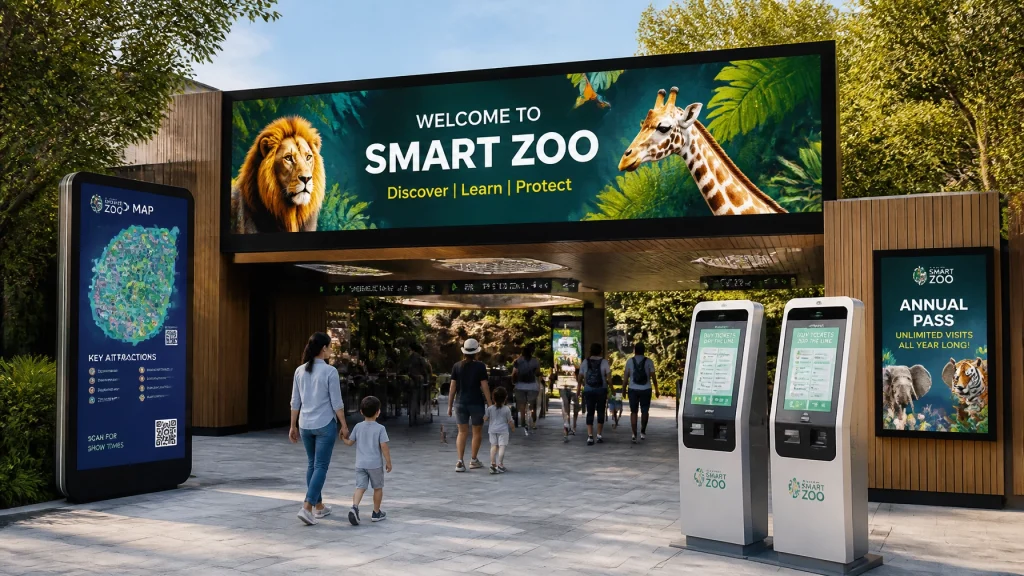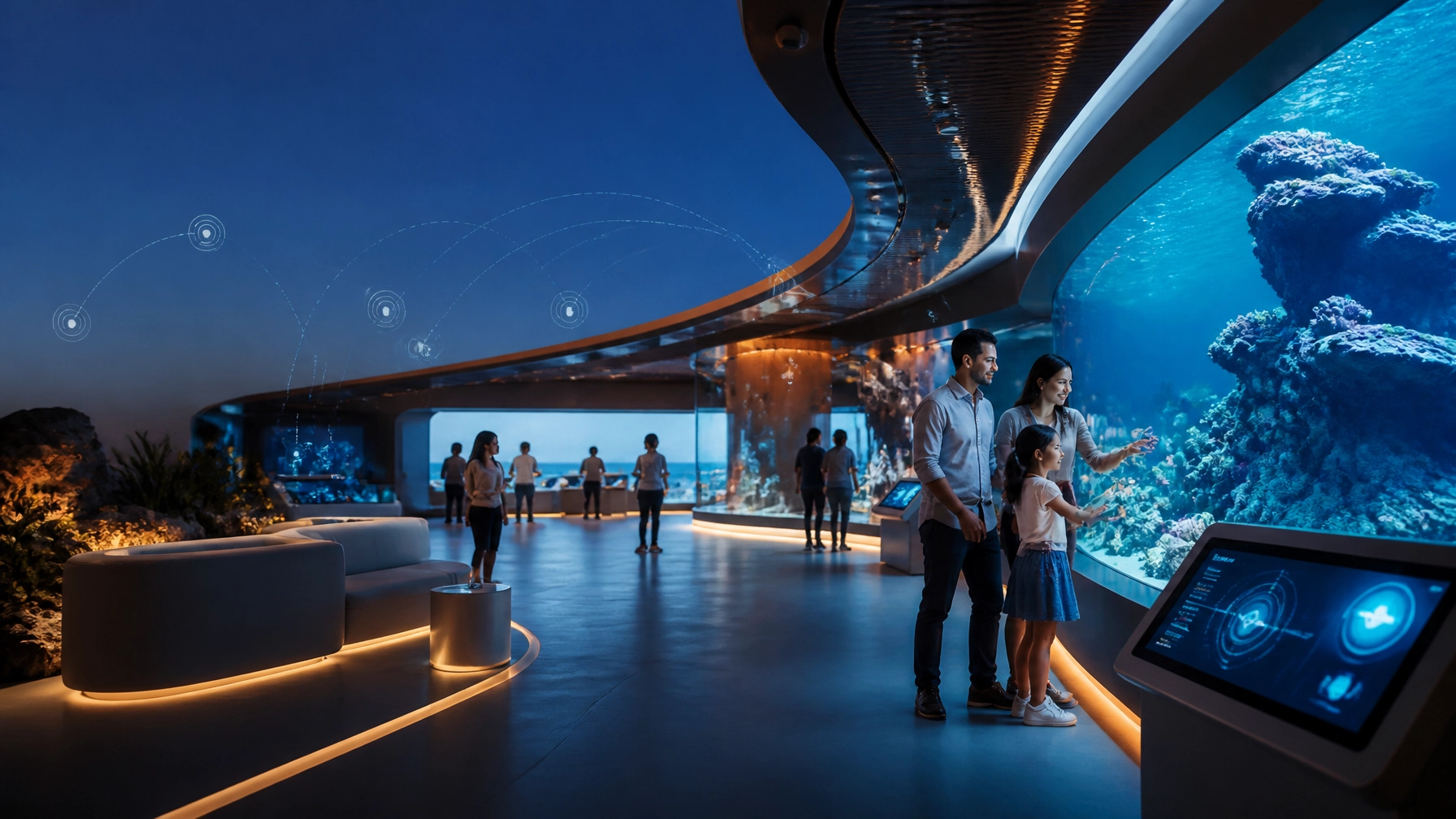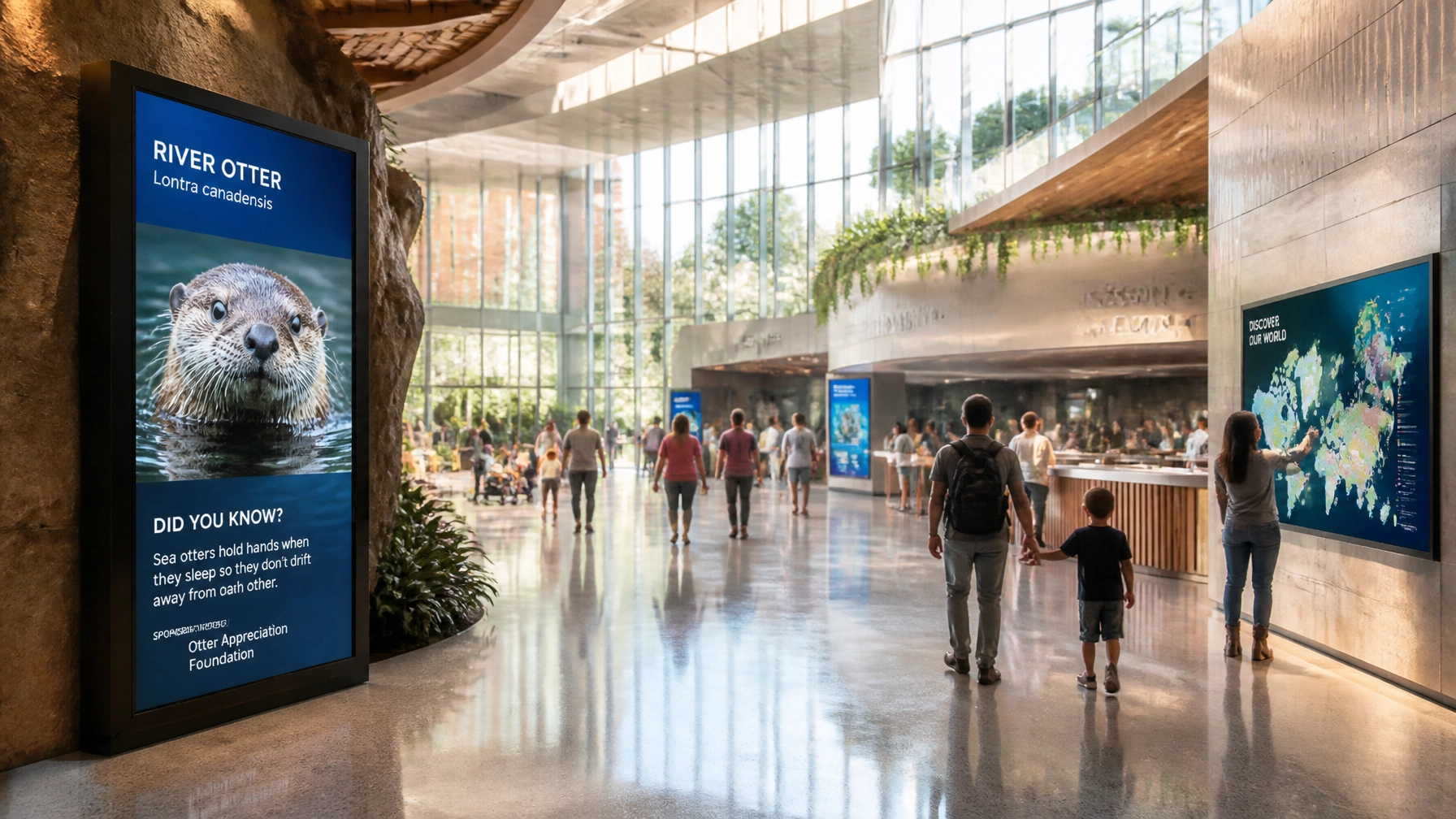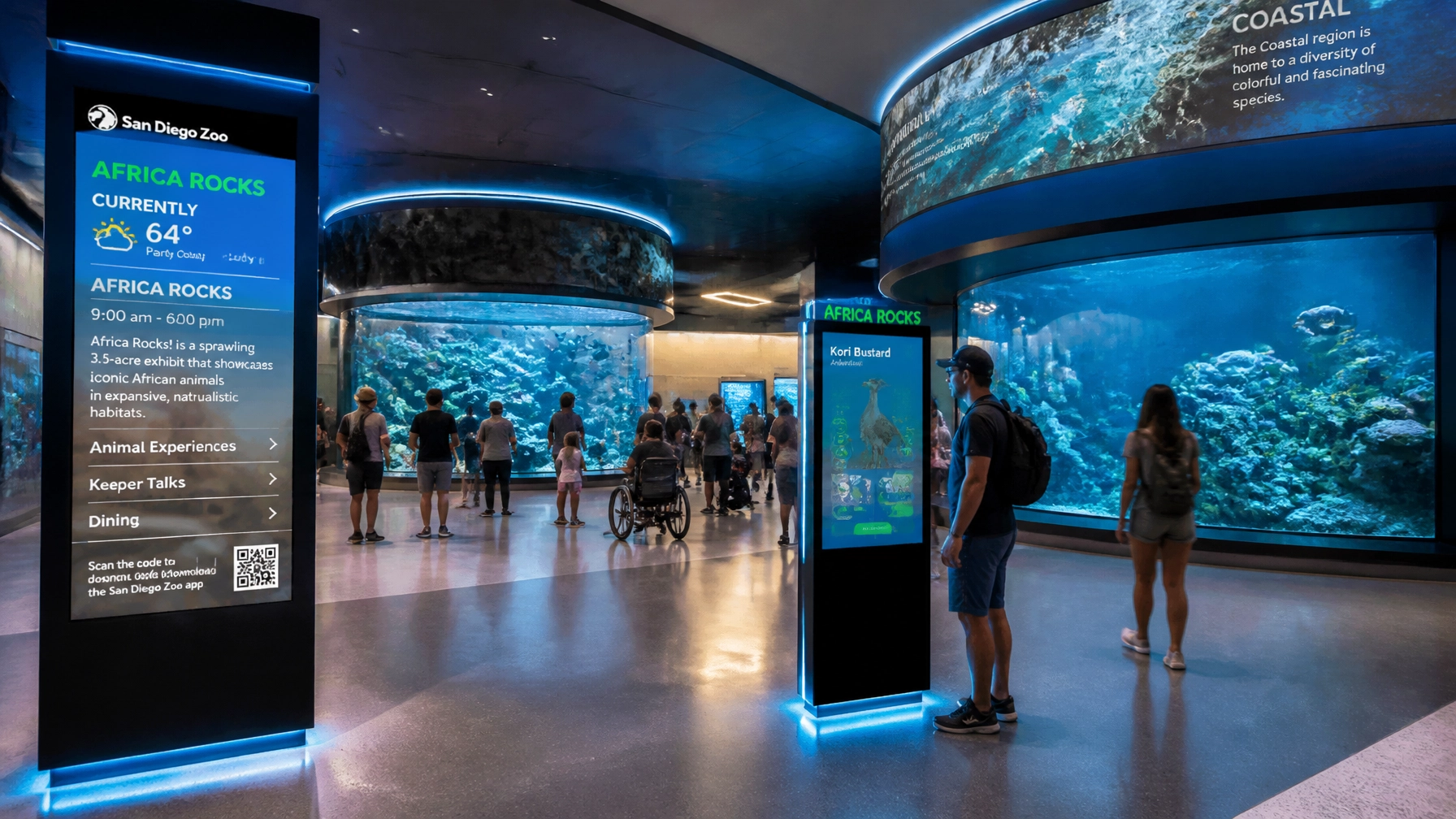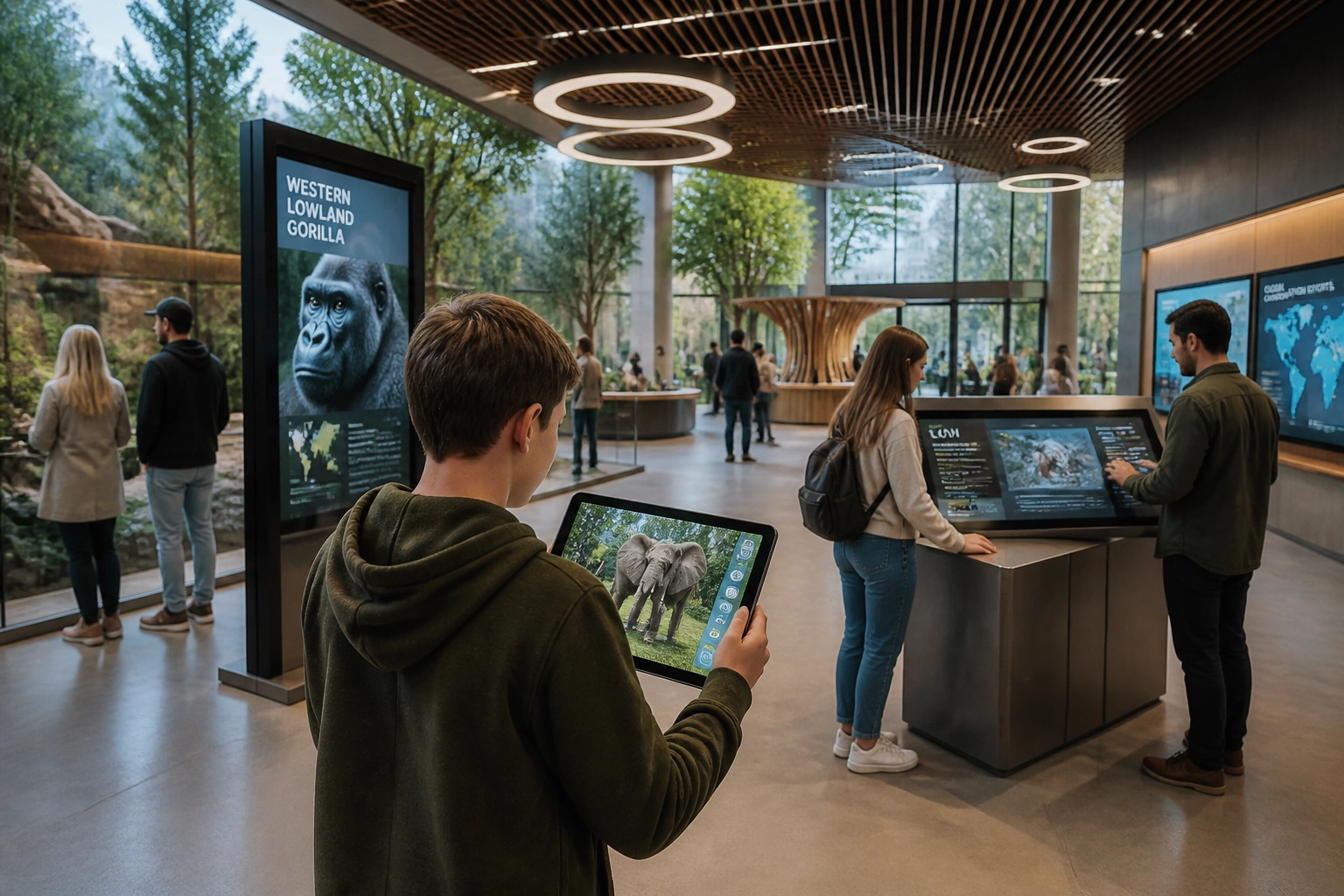
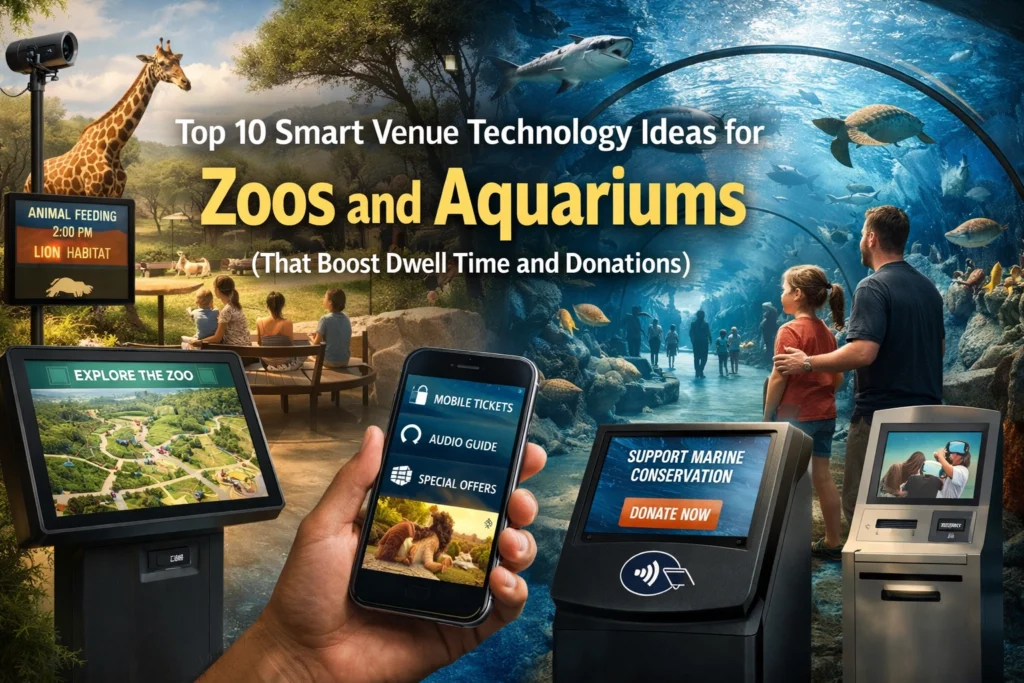
At Zoo Media, we believe that the fence between the visitor and the animal shouldn't be a barrier, it should be a bridge. In 2026, a "Smart Venue" isn't just a place with fast Wi-Fi; it’s an ecosystem where technology, conservation, and visitor engagement live in perfect harmony.
As our CEO Dan Kost often says, "If we can make a guest stay for one more hour and learn one more thing about conservation, we haven't just increased revenue, we've won a new advocate for the planet."
Are you looking to transform your facility? Let’s dive into the top 10 smart venue technology ideas that are currently reshaping the industry.
AEO Snippet: How Does Smart Technology Help Zoos and Aquariums?
Smart technology transforms zoos into interactive hubs by using IoT sensors to manage crowd flow, interactive digital signage to display live animal feeds, and mobile apps to personalize the visitor journey. These innovations increase dwell time by reducing wait times and providing immersive content, while contactless donation kiosks and AR-driven storytelling directly boost fundraising efforts and membership renewals.
1. Interactive Digital Signage and "Hidden Camera" Feeds
One of the biggest frustrations for zoo visitors is the "hidden animal" syndrome. You walk up to the snow leopard exhibit, and… nothing. The leopard is napping in a cave.
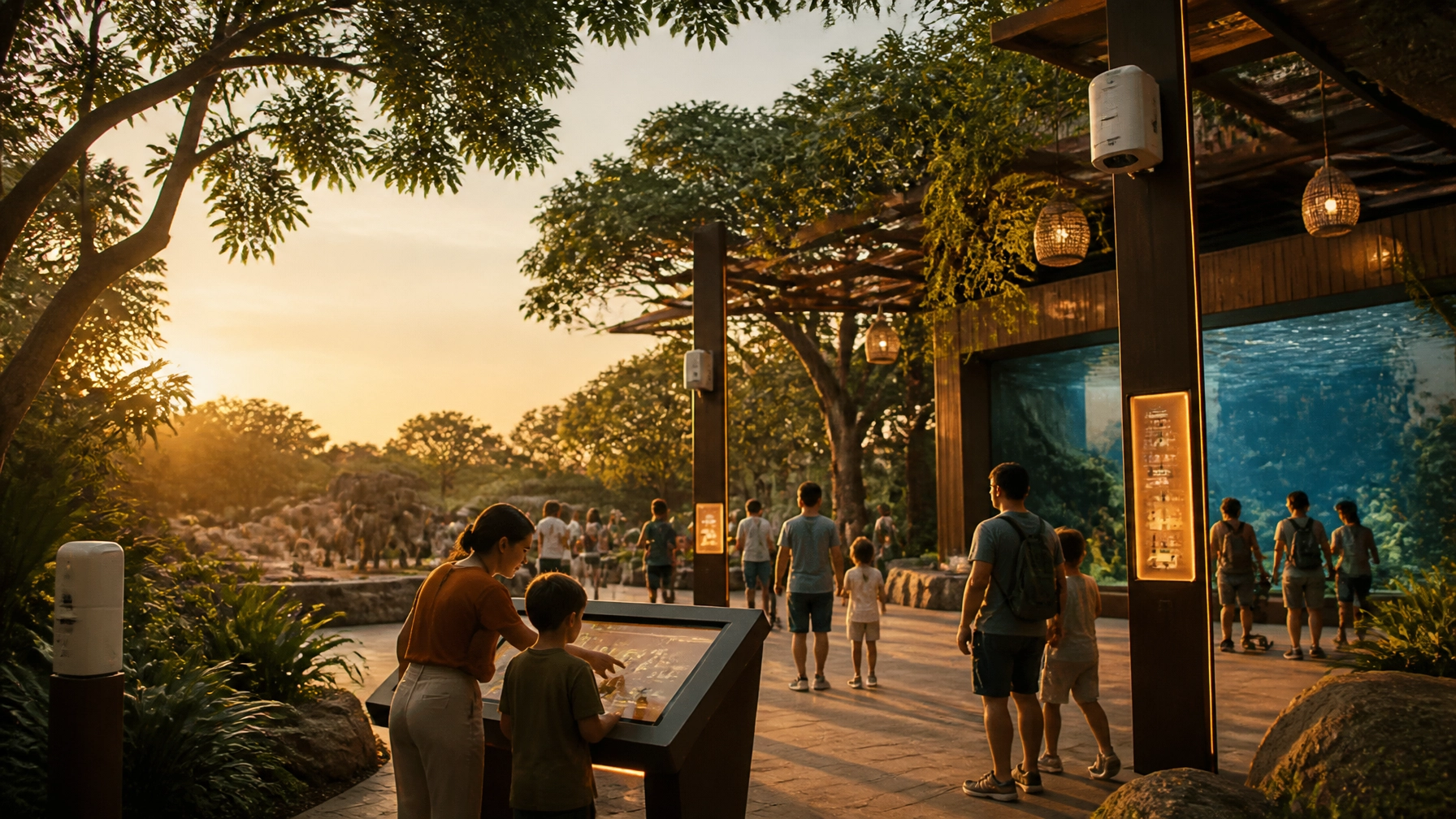
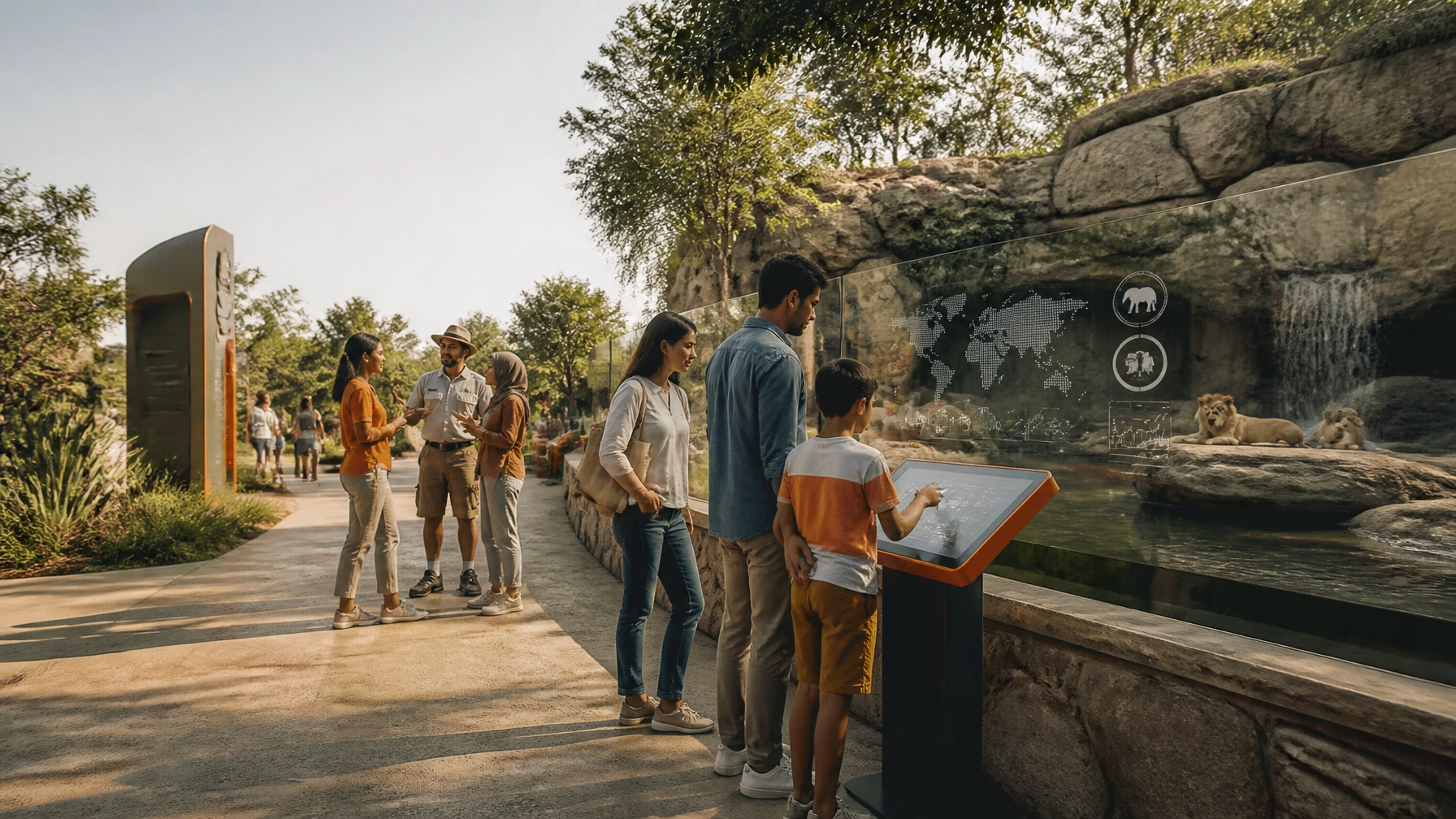
By implementing high-definition digital signage, powered by our team at ZooMedia.tv, you can stream live feeds from "den cams" directly to the visitor. If the animal is asleep, the screen can automatically switch to high-energy highlights of the animal playing or eating. This keeps the guest at the exhibit longer, increasing dwell time.
2. IoT Sensor Networks for Flow Optimization
Imagine knowing exactly when the café is getting crowded or which path is causing a bottleneck. IoT (Internet of Things) sensors can track heat maps of visitor movement.
By analyzing this data, directors can:
- Deploy staff to busy areas in real-time.
- Send push notifications to guests suggesting a "hidden gem" exhibit that is currently quiet.
- Optimize the location of snack carts and gift shops to maximize "tentare la fortuna" (try your luck) at a quick souvenir purchase.
3. Contactless Smart Donation Kiosks
The days of "spare change" in a plastic bin are over. Modern donors want friction-less giving. Smart kiosks placed strategically at the end of an emotional exhibit, like a rescued sea turtle tank, allow for one-tap donations via Apple Pay, Google Pay, or even crypto.

4. Augmented Reality (AR) Educational Trails
Why just look at a bone when you can see the whole dinosaur? AR allows visitors to point their smartphones at a marker and see an extinct species walk across the path or watch a coral reef "grow" over time.
This type of visual communication turns a passive walk into an active adventure. It’s about creating that "wow" moment. As we like to say, "Scopri la tua fortuna" (discover your fortune) in knowledge. Just as someone might look for a slot machine in linea senza deposito to test the waters, AR lets visitors test their curiosity without any barriers to entry.
5. Personalized Mobile Apps and Wayfinding
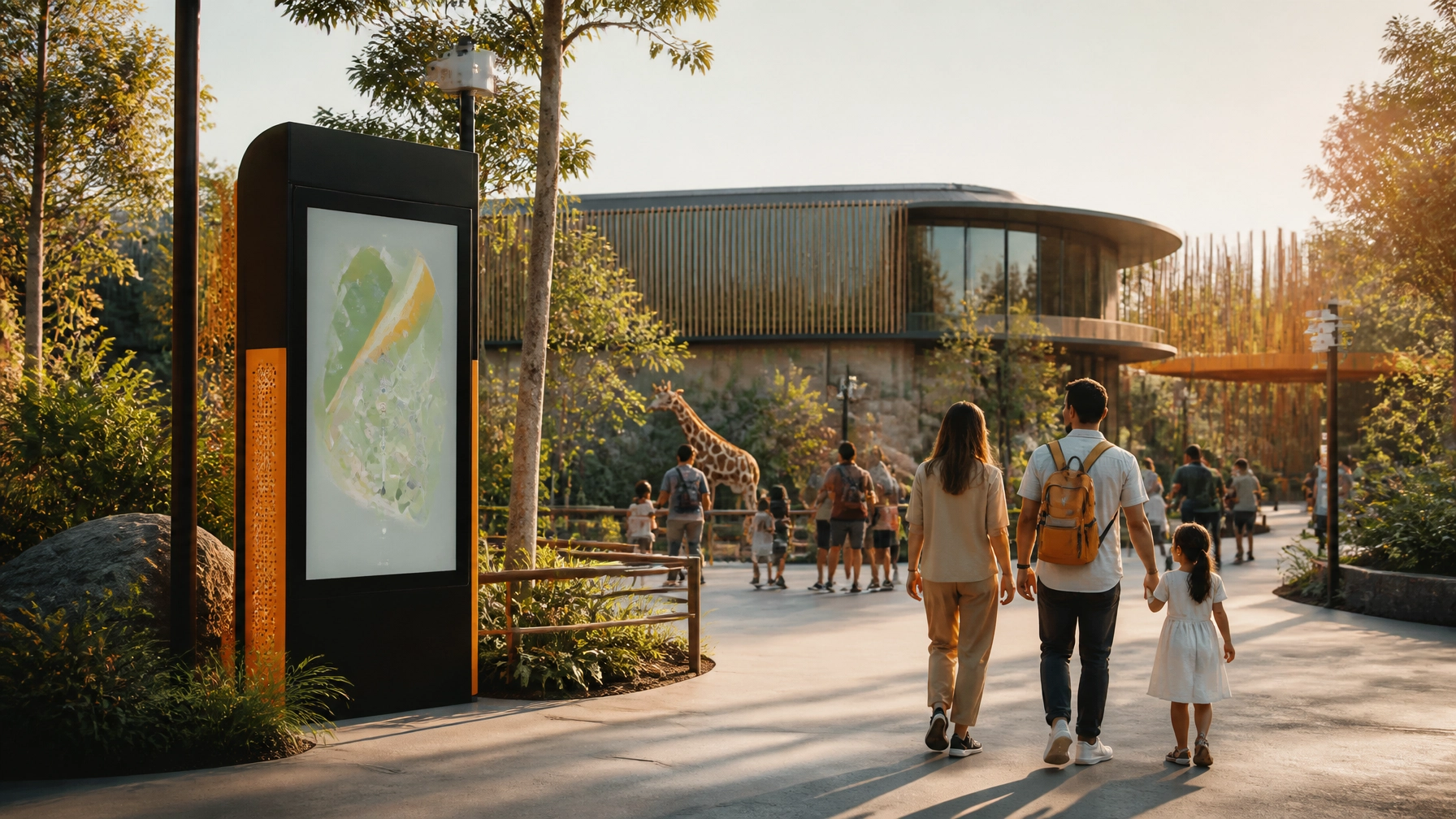
A zoo’s website and app are the digital front door. A smart venue app uses GPS to guide visitors. If it’s 2:00 PM and the penguins are being fed, the app pings the guest with a "Don't miss it!" notification.
Effective website development ensures that these apps are lightweight and fast. You want your guests focused on the lions, not a loading screen. We often look at high-performance platforms, like how a multi wheel roulette interface manages complex data in real-time, to inspire our own smooth UI/UX designs for zoo apps.
6. AI-Powered Conservation Dashboards
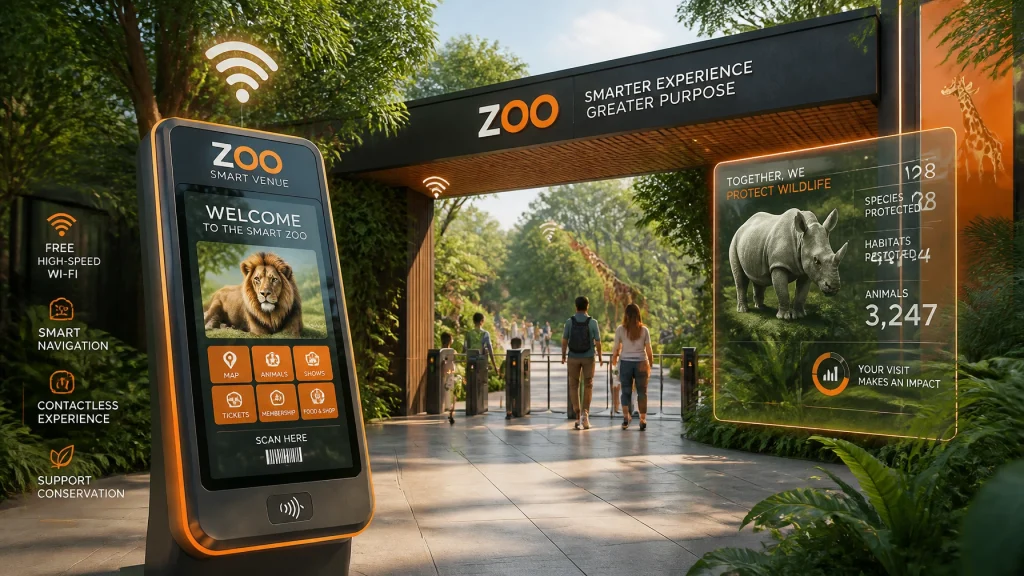
Transparency builds trust. When donors see exactly where their money goes, they are more likely to give again. Smart venues use centralized dashboards to show real-time conservation metrics: acres of forest protected, number of animals rehabilitated, or current research funding levels.
Using tools like the SMART (Spatial Monitoring and Reporting Tool) allows zoos to present hard data in a visual, easy-to-digest format. It’s educational and persuasive.
7. Dynamic Pricing and Smart Ticketing
Revenue management is a science. Using data analytics, zoos can implement dynamic pricing. Is Tuesday morning historically slow? Offer a "Conservation Special" discount via social media.
This ensures a steady stream of visitors and prevents the facility from being "over-taxed" on peak Saturdays. It’s all about the "sistema rosso e nero" (red and black system): balancing the books to ensure the animals get the best care possible. Much like calculating the percentuale di vincita (payout percentage), zoos must calculate their visitor capacity for maximum ROI.
8. Predictive Maintenance for Life Support Systems
For aquariums, water quality is everything. Smart sensors monitor pH levels, temperature, and filtration 24/7. Predictive maintenance software can alert engineers before a pump fails.
This tech keeps the "venue" running smoothly. A broken exhibit means a disappointed guest. We want every visit to feel like a "bonus benvenuto" (welcome bonus) to the world of nature.

9. Gamified Learning and Digital Scavenger Hunts
Engagement often comes from competition. By creating digital scavenger hunts where kids "collect" digital badges for visiting different biomes, you increase the chances of them visiting every corner of the park.
They might even feel like they've hit the jackpot, similar to the thrill of a gioco dei libri slot, when they complete the trail and win a small prize at the gift shop.
10. Unified Content Management Systems (CMS)
Managing 50 different screens and 100 signs can be a nightmare. A smart venue uses a single CMS to update everything instantly. Need to announce a new baby giraffe? One click, and every screen in the park shows the announcement.
This level of digital marketing coordination ensures the brand tone remains professional and consistent across the board. Whether it’s ZooMediaNetwork.com or the physical signage in the park, the message is the same: Conservation matters.
The Zoo Media Difference
We don't just sell screens; we sell experiences. Our partnership with zoos and aquariums is built on the idea that innovation is the key to survival: not just for the animals, but for the institutions that protect them.
"I've seen technology change the world, and now it's time to let it save the world," Dan Kost says when discussing our latest IoT integrations. We are committed to helping you become a smart venue that doesn't just display nature but engages with it.
Ready to Upgrade Your Venue?
Don't let your facility stay in the past. From website development to advanced visual communication strategies, Zoo Media is your partner in the future of conservation.
Contact Us Today:
- CEO: Dan Kost
- Website: www.zoomedia.us
- Corporate: www.dakdan.com
- AI Receptionist: +1 (323) 676-0621
Explore our network:
ZooMedia.org | Zoo Media Travel | Zoo Media News
#Motivation #Branding #Strategy #Marketing #AdvertisingAndMarketing #digitalmarketing #Innovation #Sports #ZooMedia #SmartVenue #IoT #ConservationTech
Looking for more insights? Check out our latest reviews on digital engagement and platform security, similar to how experts review mr play casino it 2025 or casino venezia online. We bring that same level of scrutiny and excellence to every zoo we partner with.