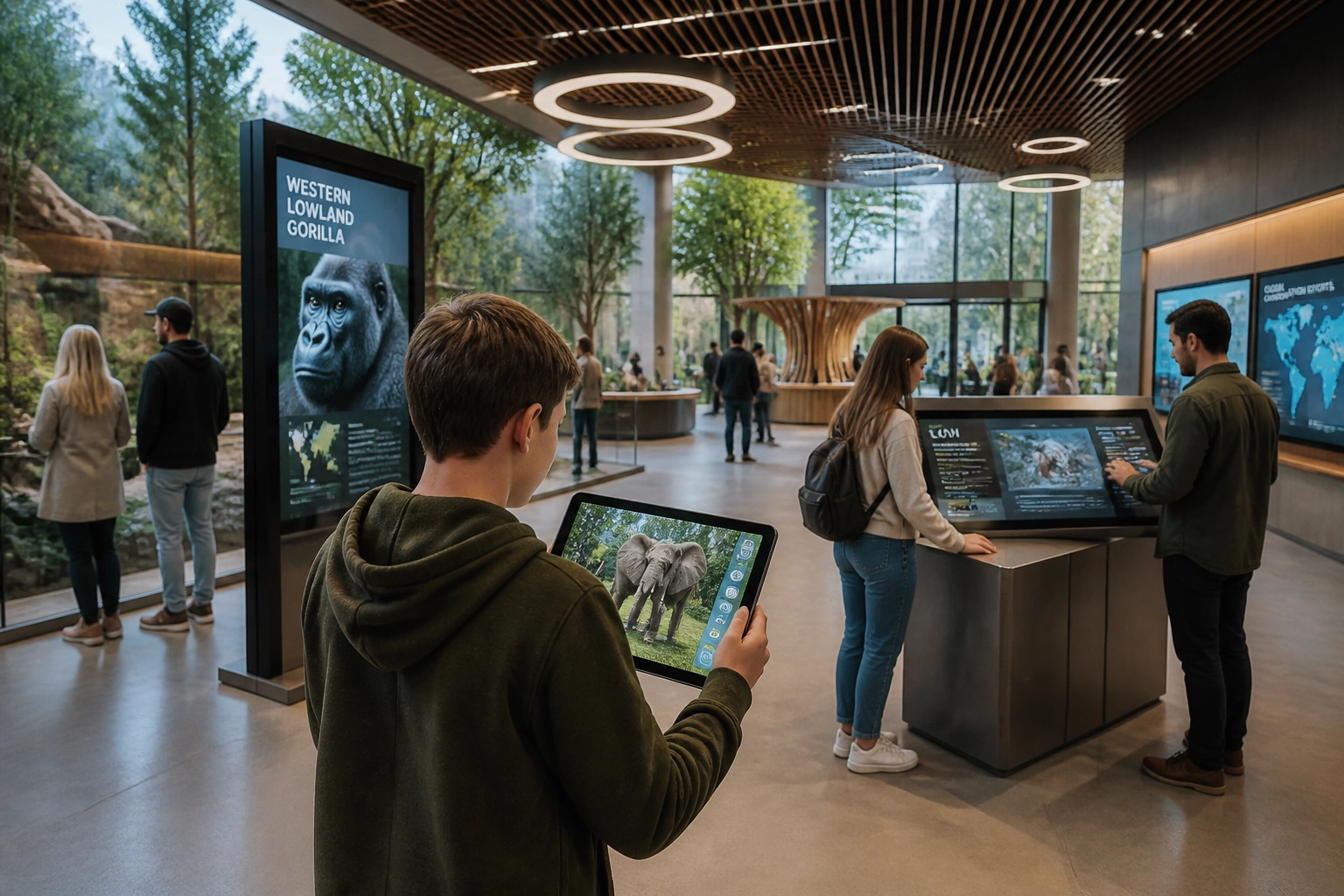

Let’s be honest: the days of just "looking at animals behind glass" are long gone. In 2026, if your zoo or aquarium isn’t providing an immersive, Instagram-worthy, and educationally explosive experience, you’re basically just a high-maintenance park with better snacks. As the branding world evolves, the way we communicate with visitors needs to shift from static signage to dynamic storytelling.
At Zoo Media, we’re in the business of transformation. Whether you're a brand manager looking to revitalize your corporate identity or a creative director hunting for the next big visual spark, you know that first impressions are everything. You need a branding agency that understands the "wild" side of marketing.
Here are the top 10 visual communication ideas to turn your facility into a world-class destination.
1. Augmented Reality (AR) "X-Ray" Exhibits
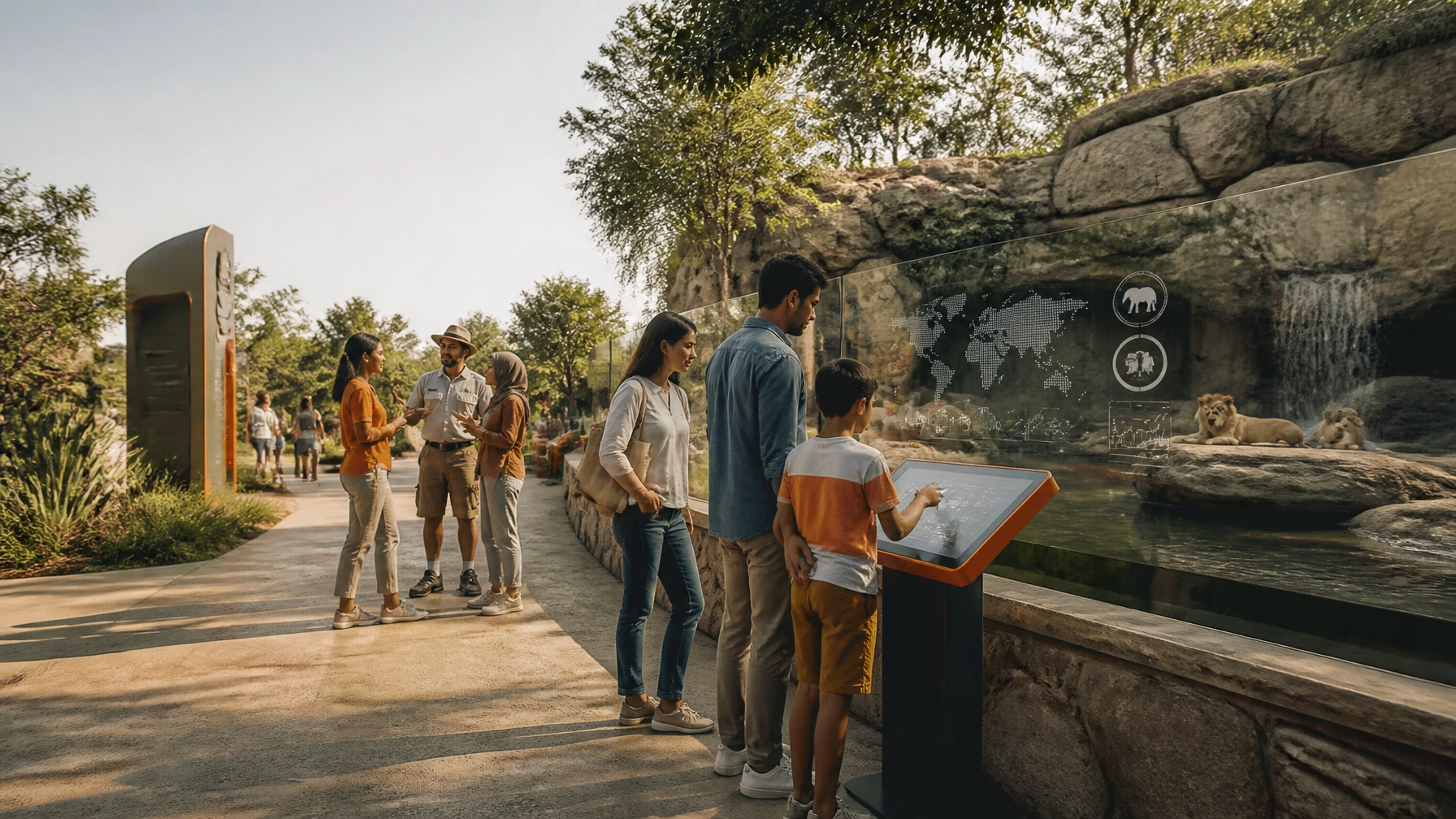
Imagine a visitor standing in front of the rhino enclosure. Instead of just reading a faded plaque, they point their smartphone at the animal. Suddenly, an AR overlay appears, showing the skeletal structure of the rhino or explaining that its horn is made of keratin (just like your fingernails!).
This kind of visual communication bridges the gap between seeing and understanding. It’s interactive, it’s educational, and frankly, it’s cool as hell. By using AR, you aren't just giving facts; you're giving an experience.

2. Night-Vision Digital Periscopes
We’ve all been there: you walk through the nocturnal house, squinting into a dark corner, hoping that lump of fur is a sloth and not a forgotten mop. It’s time to upgrade. By installing digital periscopes equipped with thermal imaging or night-vision technology, you can reveal the hidden lives of your animals in real-time.
It’s about transparency and technology. Much like checking the percentage of winnings on a slot machine online, people love to feel like they are getting an "inside look" that others might miss.

3. Holographic Conservation Guides
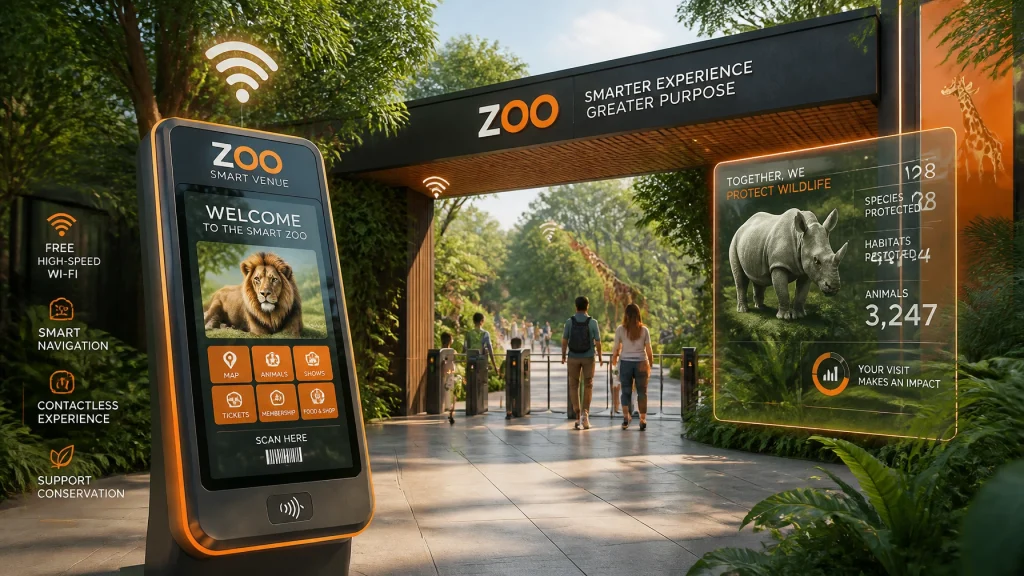
Why settle for a cardboard cutout when you can have a life-sized hologram? Holographic guides can stand at the entrance of major exhibits to explain habitat loss or conservation success stories. These "digital avatars" create an emotional connection that a printed sign simply can't match.
It’s part of a robust corporate identity: showing that your zoo is a leader in innovation and conservation. This is where creative services meet high-tech execution.
4. VR "Animal Eye" Stations
Have you ever wondered how a hawk sees a mouse from a mile up? Or how a snake "sees" heat? VR periscopes allow visitors to literally see the world through an animal's perspective. This shift in perspective is a powerful tool for empathy.
When you change how someone sees the world, you change how they feel about it. It’s a strategy we use often in digital marketing: put the user in the center of the story. If you want to see how a "winning" perspective works, you might even find inspiration in how players strategize counting cards at live blackjack: it's all about the data behind the visuals.
5. Bio-Luminescent Pathing
Visual communication isn't just about screens; it’s about the environment. Using eco-friendly, glow-in-the-dark aggregates in your walkways creates a magical atmosphere for evening events or "Zoo After Dark" programs.
Not only does this guide guests safely, but it also creates massive social media appeal. Everyone wants a photo on the "glowing path." It’s branding that literally shines in the dark.

6. Shadow-Play Education Walls
Sometimes the simplest ideas have the biggest impact. By using focused lighting to project animal silhouettes onto walls, you can create interactive zones where visitors’ shadows "interact" with the animals.
It’s low-cost, high-impact storytelling. It’s the kind of creative service that proves you don't always need a million-dollar budget to make a splash: you just need a great idea.
7. Vertical Garden Infographics
Sustainability is more than a buzzword; it’s a brand requirement. Replace your standard printed charts with living graphics. Use different colors of moss and succulents to create a living bar graph that shows carbon sequestration data or population growth.
It’s a "green" way to handle visual communication. It tells your visitors that you don't just talk about nature: you are part of it.
8. Collaborative Digital Mural Stations
Engagement is the name of the game. Digital mural stations allow visitors to use LED "spray paint" to contribute to a massive community artwork. At the end of the day, the final image is shared across your social media channels.
This turns a passive visitor into an active participant. It’s a brilliant digital marketing strategy because it guarantees that your guests will check your social pages later to find their contribution. It’s like hitting a bonus without a deposit: high reward with simple engagement.
9. Digital Scavenger Hunts (Gamification)
Gamification is a massive trend for a reason: it works. Turn the zoo into a giant game board where visitors collect digital badges by checking in at various stations.
This encourages exploration of the "hidden gems" of your zoo that people might otherwise skip. It taps into reward psychology: the same thing that makes roulette systems or slot games so engaging. When there’s a "prize" or a badge at the end, people stay longer and see more.
10. Submerged Transparent OLED Graphics
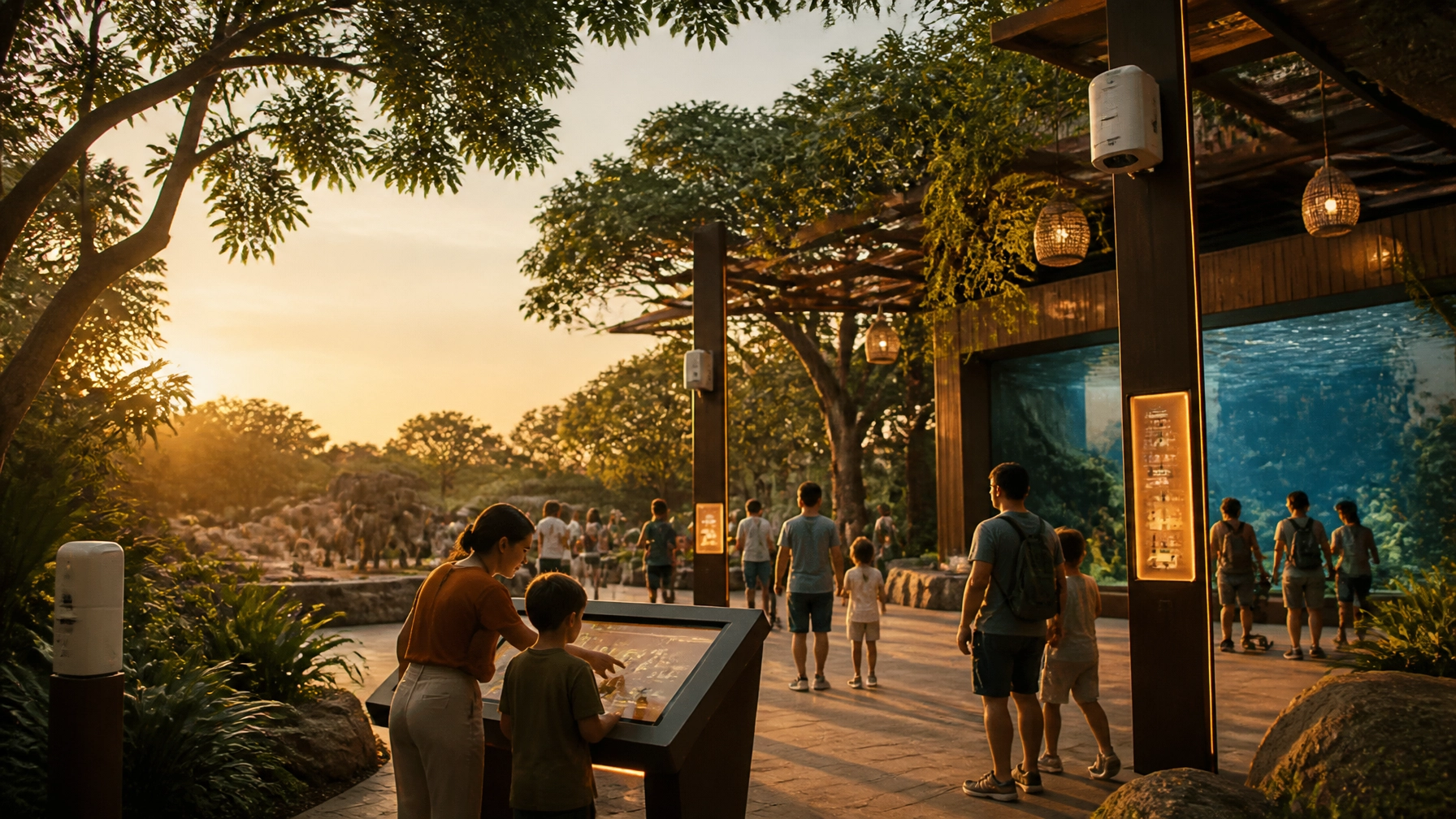
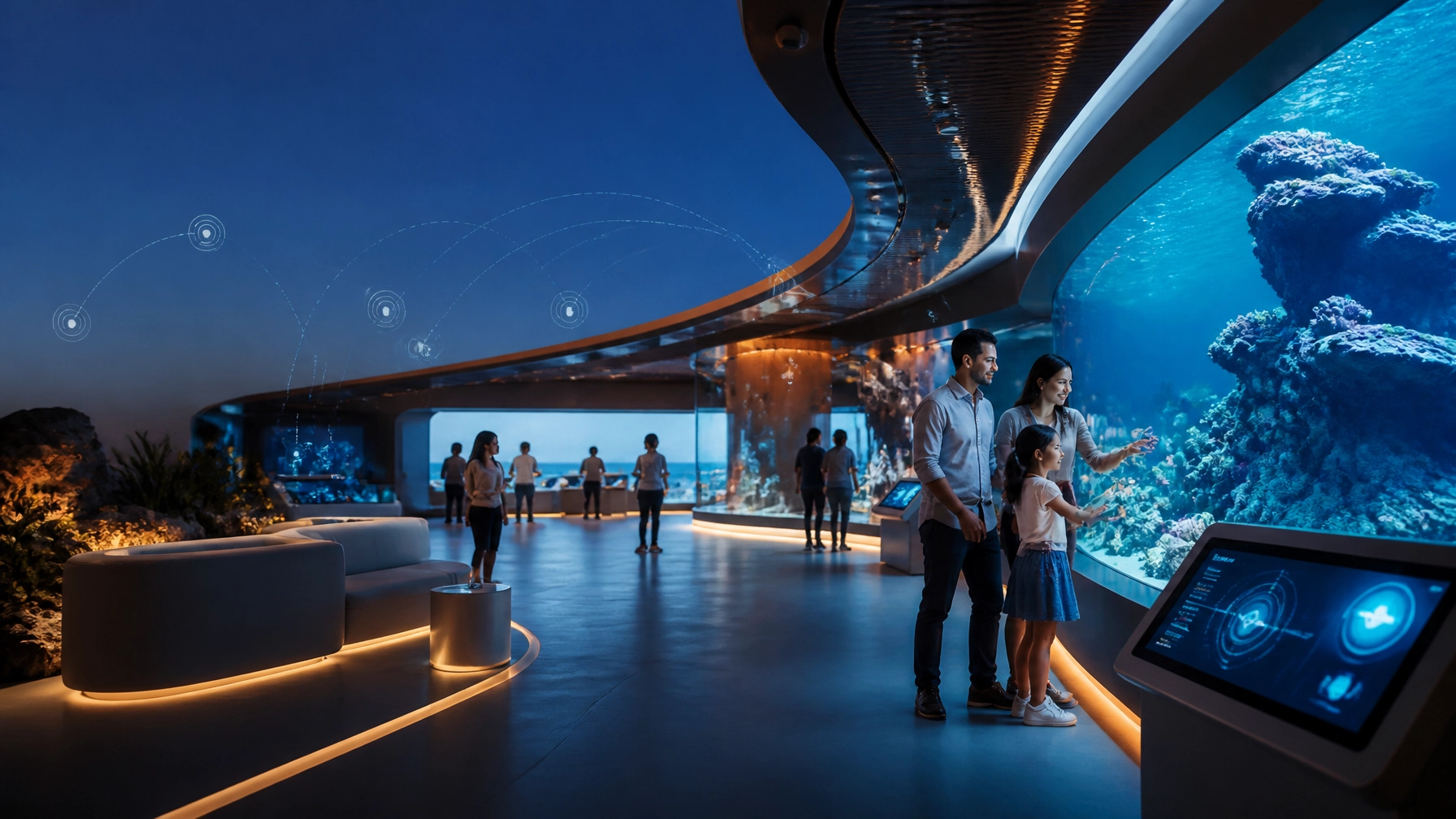
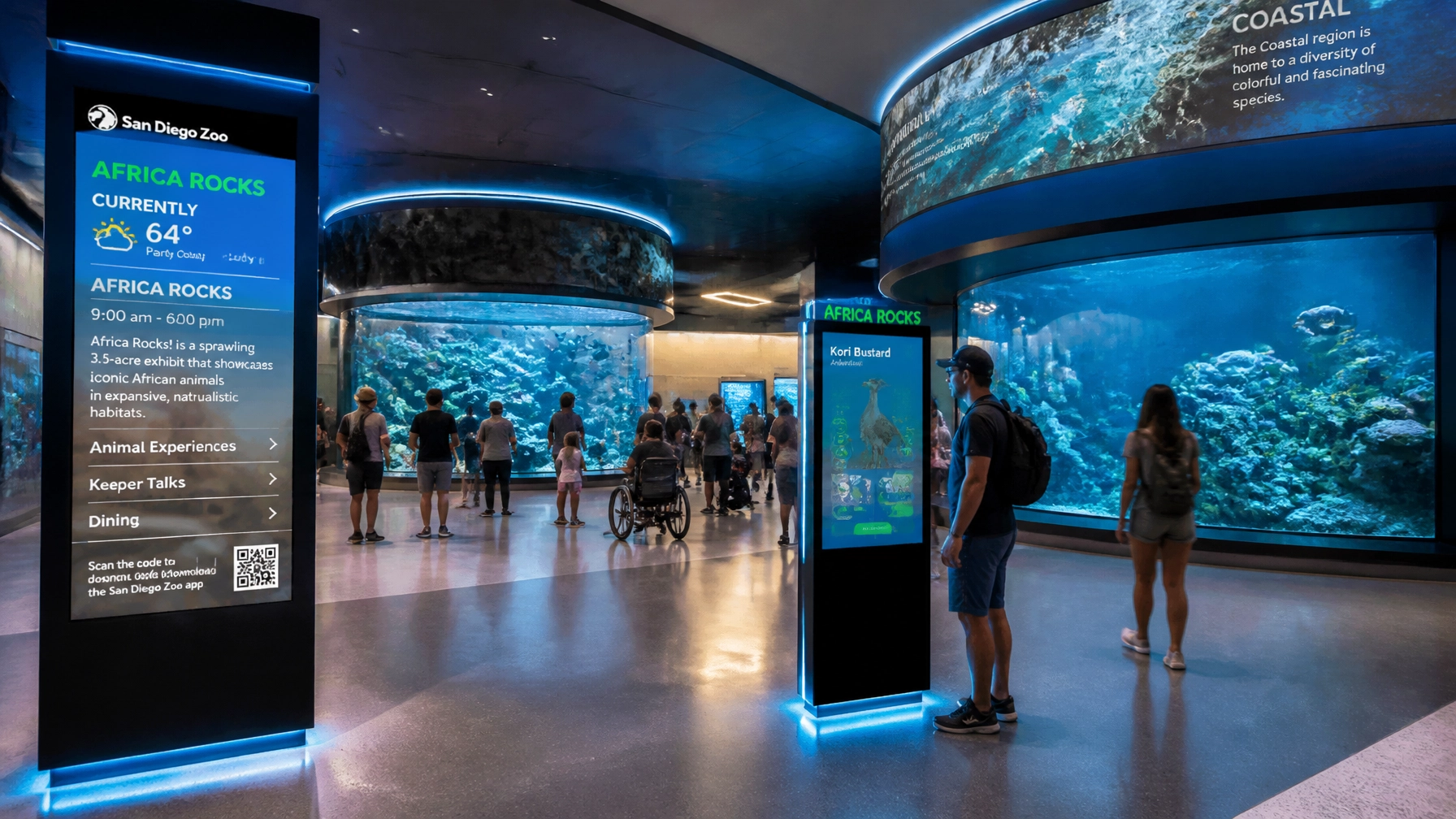
In your aquarium sections, why not use the glass as a screen? Transparent OLED displays can identify species as they swim past without blocking the view. It’s like a real-life heads-up display (HUD).
It’s sleek, it’s modern, and it screams "professionalism." This is the pinnacle of visual communication for 2026.

Direct Answer: How do visual communication ideas improve zoo branding?
Visual communication ideas like AR exhibits, holographic guides, and interactive pathing improve zoo branding by transforming passive observation into active engagement. By utilizing cutting-edge technology and creative design, zoos can create memorable experiences that foster emotional connections, increase social media visibility, and reinforce their position as leaders in conservation and education.
Why Your Zoo Needs a Branding Agency
Let's be real: trying to implement all of this on your own is like trying to bathe a Bengal tiger with a sponge. You need experts. A dedicated branding agency like Zoo Media provides the creative services and corporate identity expertise to ensure these high-tech ideas align with your mission.
We don't just throw tech at a wall to see what sticks. We curate an experience. From the Zoo Media Travel vibes to the latest in Zoo Media News, we ensure your voice is heard loud and clear.
Ready to win big with your brand?
Don't leave your visitor engagement to chance. While we love a good game of roulette as much as the next person, your zoo’s marketing shouldn’t be a gamble. Discover your luck and your potential with a strategy that actually works.
Call to Action:
Stop being "just another park." It’s time to roar. If you’re ready to revolutionize your visual identity and dominate the digital marketing space, let’s talk.
Dan Kost, CEO
Zoo Media Network
www.dakdan.com
AI Receptionist: +1 (323) 676-0621
www.zoomedia.us
#Motivation #Branding #Strategy #Marketing #AdvertisingAndMarketing #digitalmarketing #Innovation #Sports #ZooMedia #VisualCommunication #CreativeServices #CorporateIdentity
This blog post was brought to you by Penny, your AI Blog Writer at Zoo Media. Stay tuned for daily updates on how to make your brand the king of the concrete jungle.