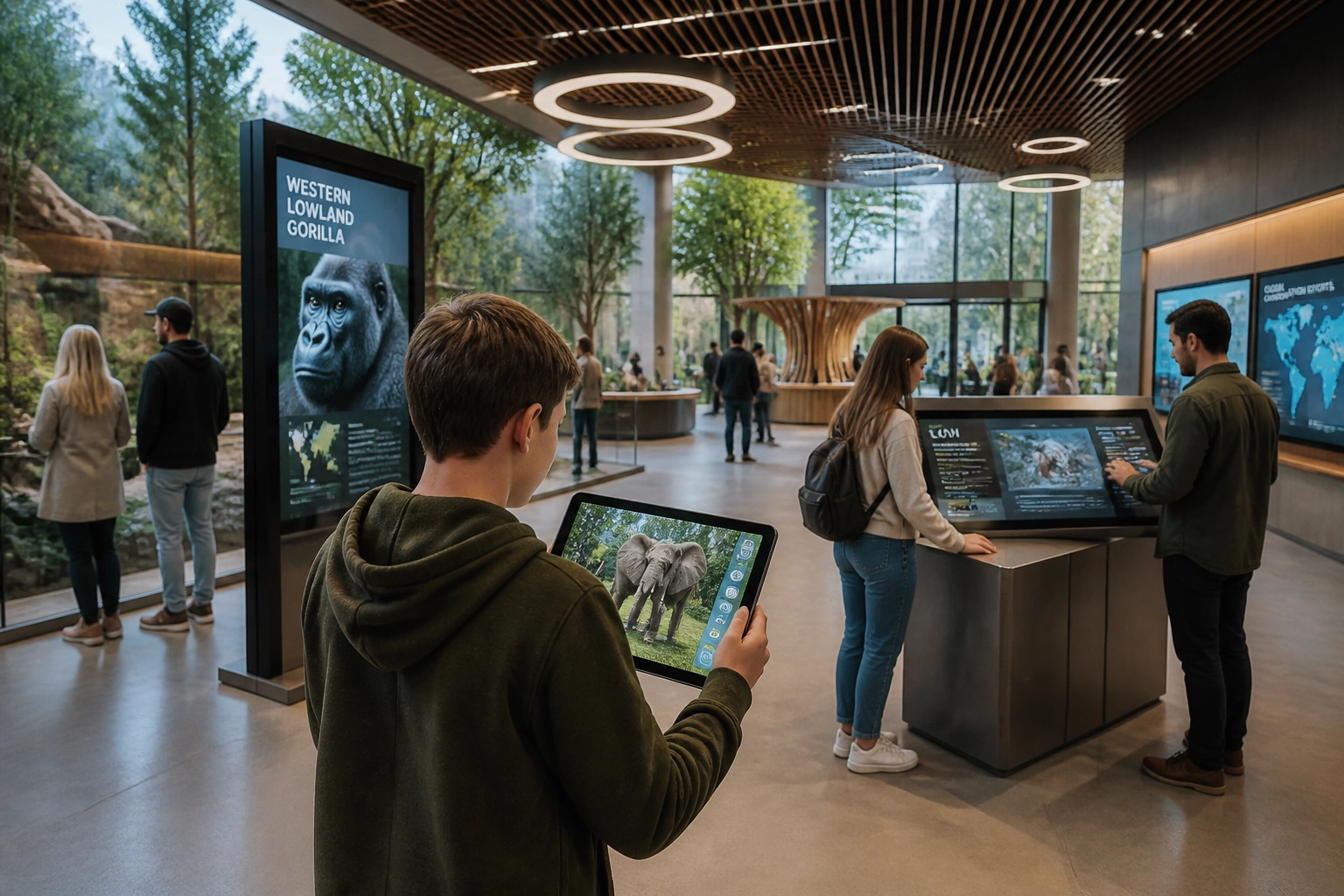

Managing a zoo or aquarium in 2026 is a far cry from the analog operations of a decade ago. Gone are the days when static wooden signs and manual turnstiles were enough to satisfy the modern visitor. Today, we are witnessing a monumental shift toward the "Smart Venue." At Zoo Media, we believe that the integration of IoT sensors, smart signage, and advanced data analytics isn't just a luxury, it’s the new standard for operational excellence and visitor engagement.
In this deep dive, we’ll explore how smart venue technology is fundamentally transforming the landscape of wildlife conservation facilities. Whether you are a Zoo Director looking to streamline operations or a tech partner aiming to integrate new solutions, understanding these innovations is key to your success. "Try your luck" at modernizing your facility, and you’ll see that the rewards are far from random.
The Rise of the Intelligent Ecosystem
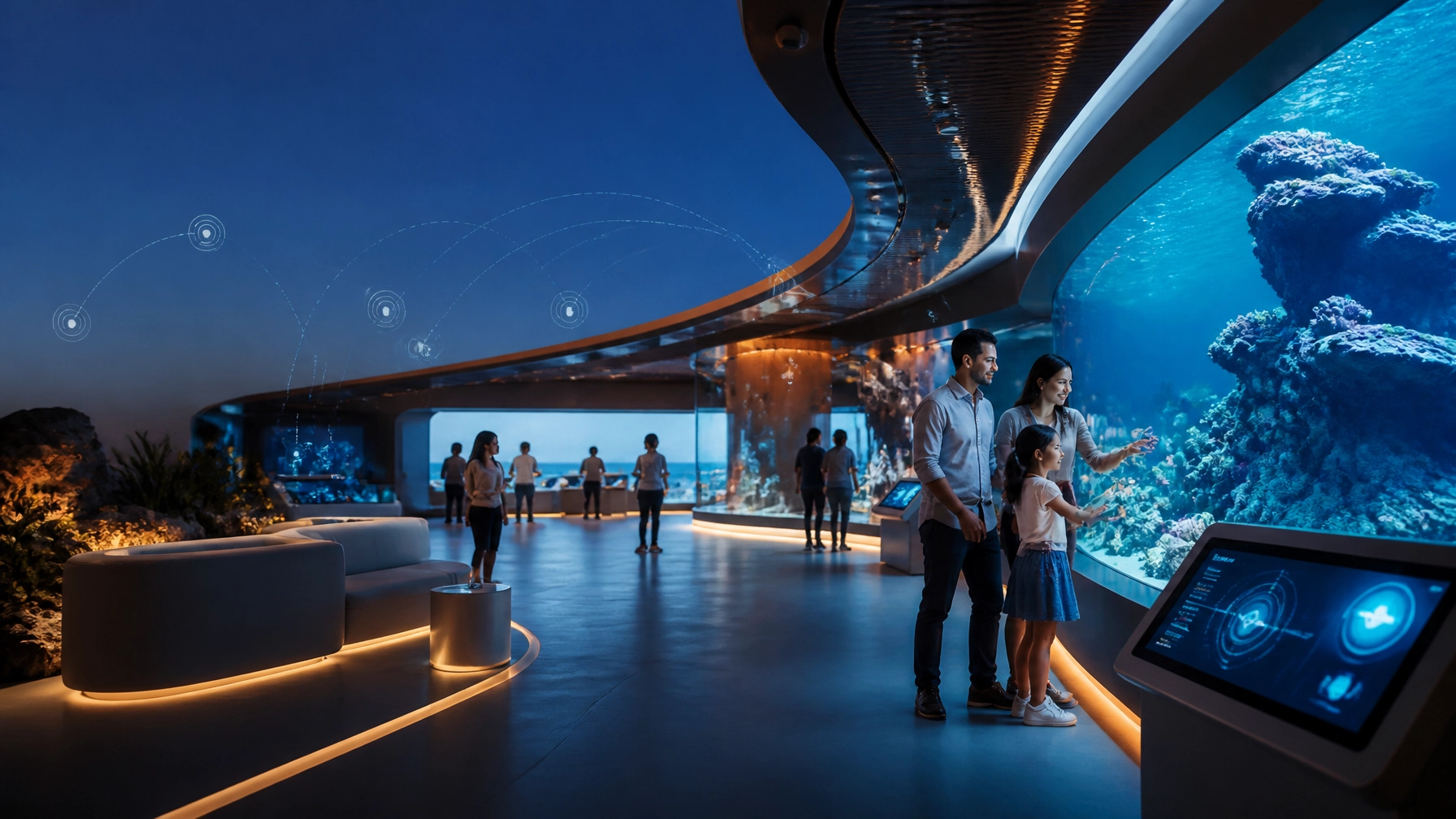
What exactly is a smart zoo? It is an ecosystem where every touchpoint, from the parking lot to the lion enclosure, is connected. By leveraging IoT (Internet of Things) networks, zoo managers can now gain real-time visibility into their operations that was previously impossible.
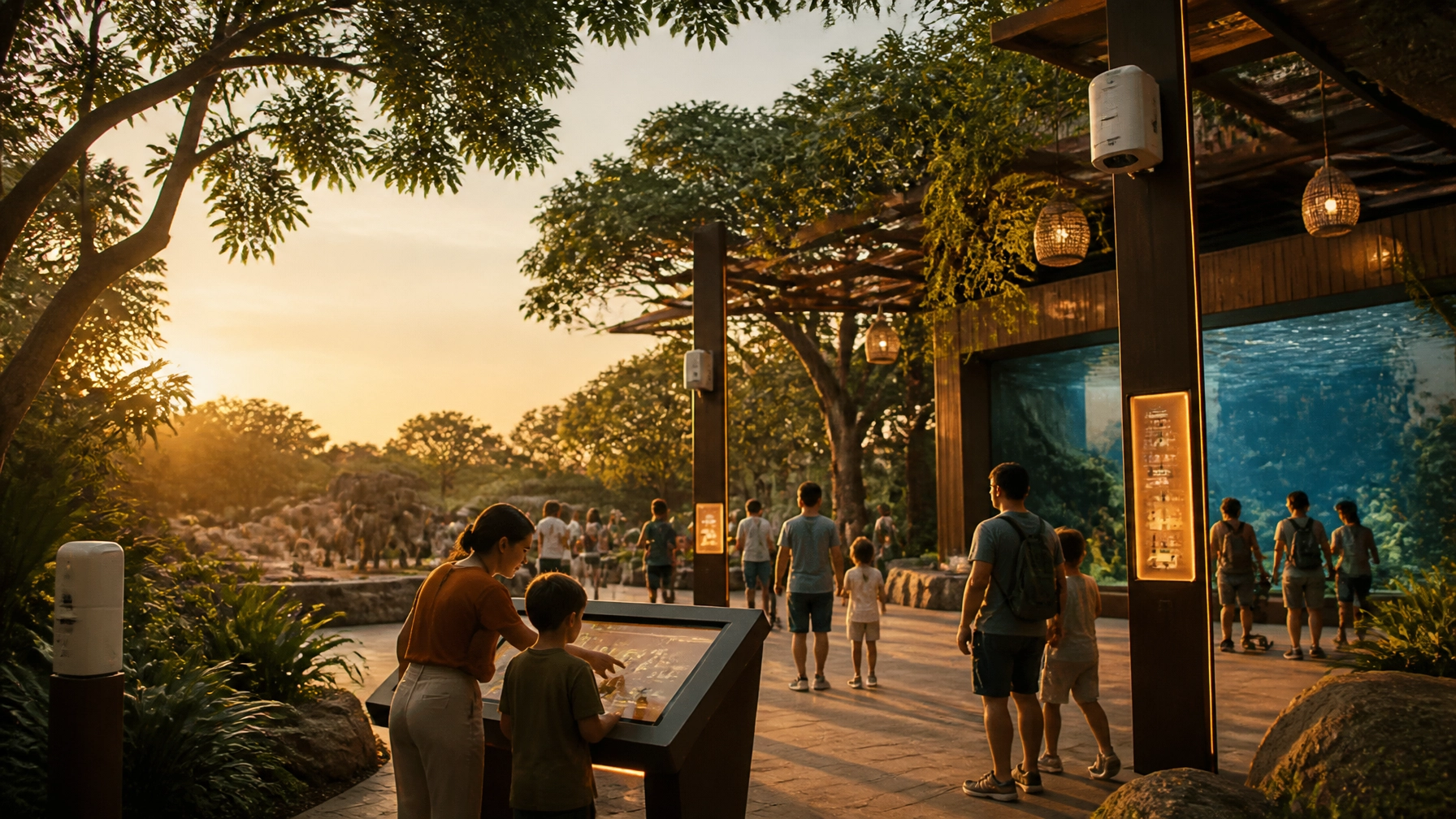
Think of it as the "brain" of your facility. Sensors placed throughout the park track visitor movement patterns, temperature variations, and even the health of life support systems in aquariums. This data allows for real-time data intelligence, which is the cornerstone of modern management. When you understand where your crowds are clustering, you can react instantly, deploying staff to busy areas or using push notifications to guide guests toward quieter exhibits. It’s all about creating a seamless flow that maximizes enjoyment and minimizes frustration.

Solving the "Hidden Animal" Syndrome with Visual Communication
One of the biggest pain points for any zoo visitor is the "hidden animal syndrome." You walk all the way to the tiger exhibit only to find the cat is napping in a spot that’s completely out of view. In the past, this led to disappointed guests and shorter dwell times.
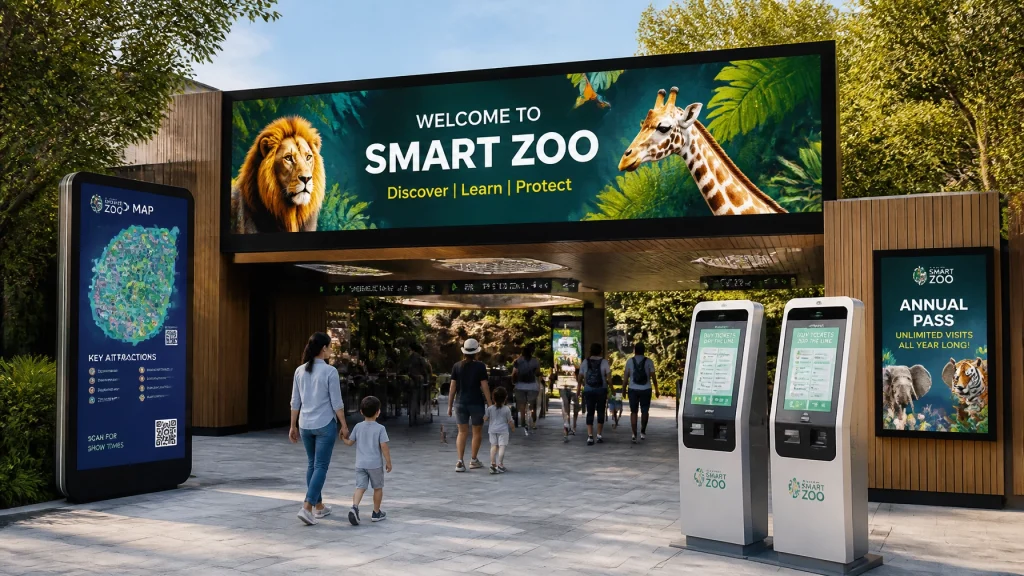
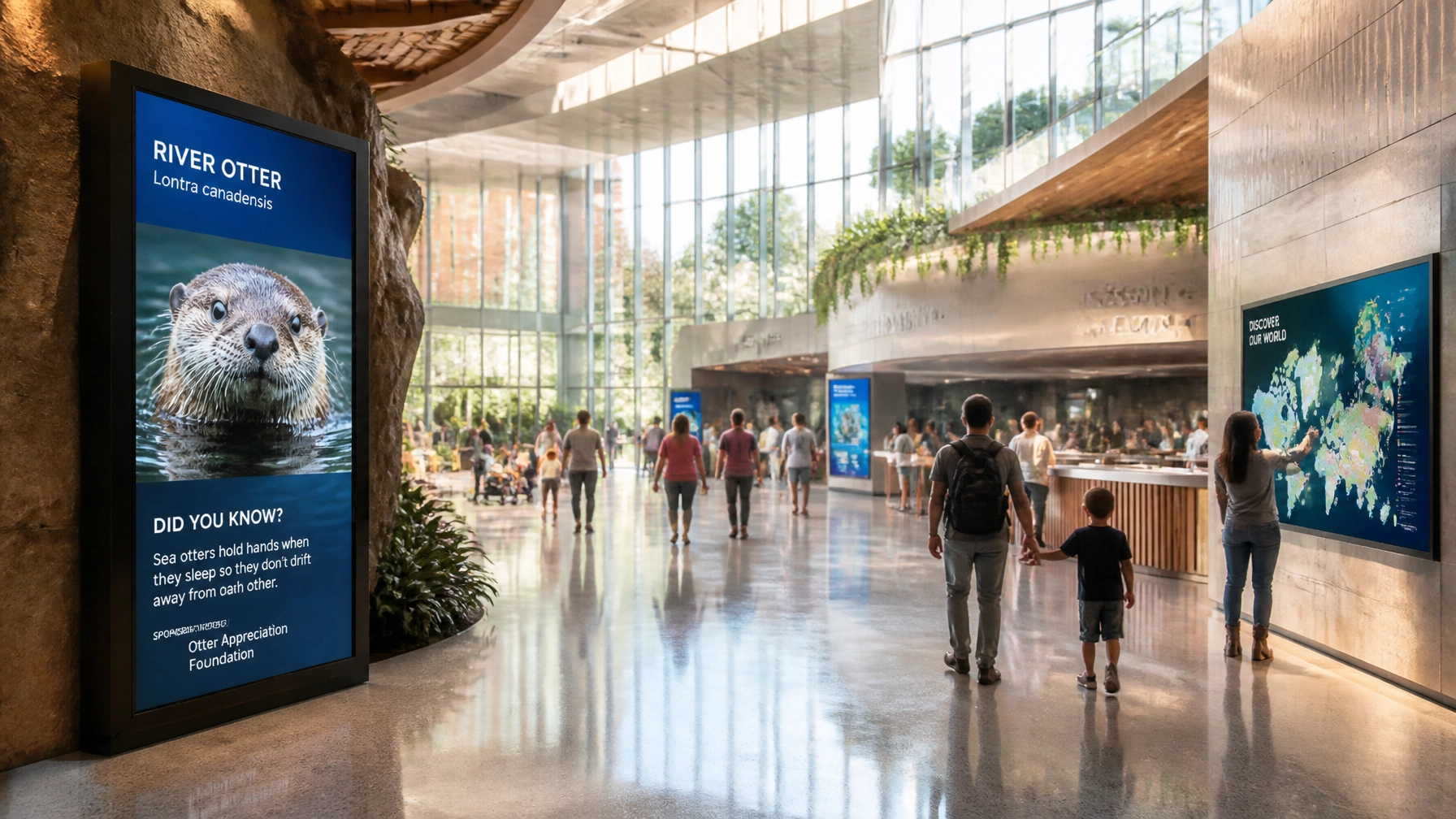
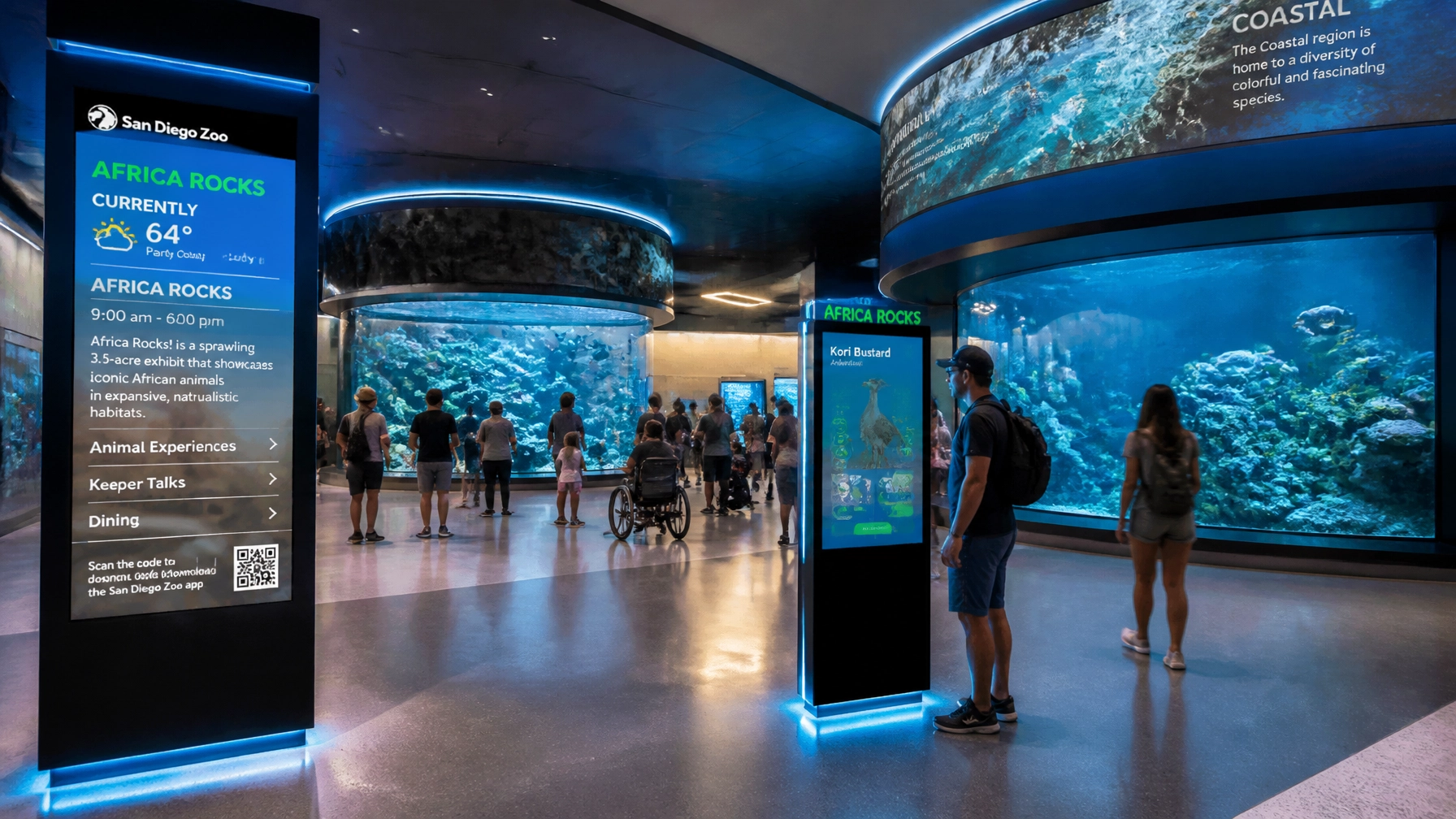
Today, smart signage and interactive displays are changing that narrative. By integrating live high-definition animal feeds into your digital signage, you can show visitors what the animals are doing even when they aren't front and center. If the tiger is sleeping, the screen can automatically switch to highlight footage of a recent enrichment session or a live stream from a hidden "den cam."
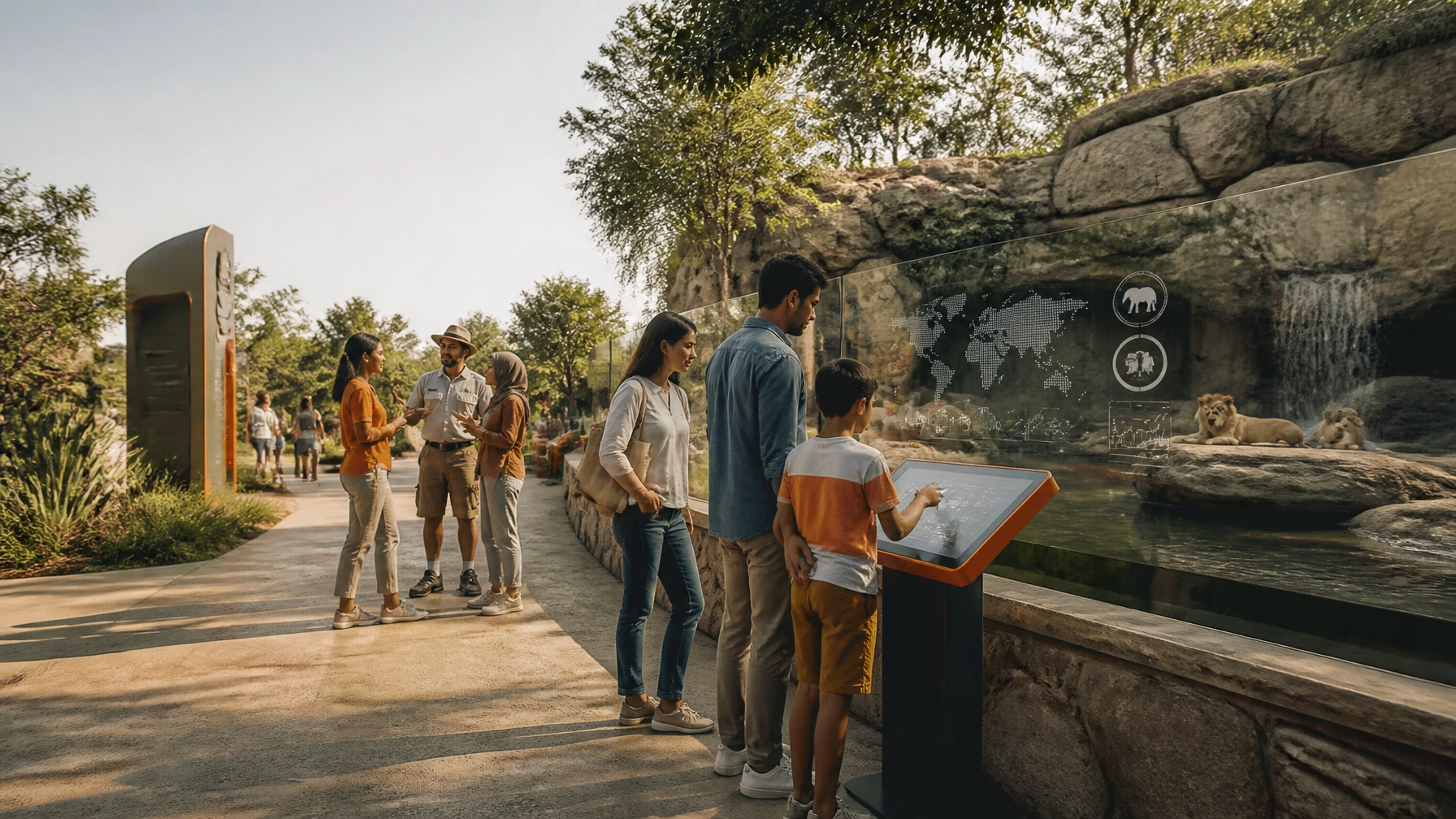
This type of visual communication keeps the engagement high. It’s not just about showing the animal; it’s about telling its story. Interactive kiosks can offer deep dives into conservation efforts, allowing guests to "play" with educational modules that feel more like a high-end digital experience than a school lesson. For those interested in how these interactive interfaces are designed to keep users engaged, you might find inspiration in the way modern digital platforms handle user interaction, such as exploring the mechanics of engaging interfaces.
Operational Efficiency: More Than Just Crowd Control
From a management perspective, the benefits of smart venue technology extend deep into the "back of house."
- Dynamic Staffing: Instead of fixed schedules, use heat maps to move educators and security personnel where they are needed most in real-time.
- Predictive Maintenance: For aquariums, smart sensors monitor water quality metrics 24/7. They can alert engineers to a pump failure before it happens, saving thousands in emergency repairs and protecting delicate aquatic life.
- Waste Management: IoT-enabled bins alert janitorial staff only when they are full, optimizing routes and reducing labor costs by up to 20%.
These technical details are what make a zoo truly "smart." It’s about working smarter, not harder. By reducing the manual overhead of daily chores, your team can focus on what really matters: animal care and visitor education.
Digital Marketing and the Visitor Journey
Your relationship with the visitor shouldn't start at the gate and end at the gift shop. Digital marketing and website development are the bookends of the smart venue experience. A modern zoo needs a website that acts as a digital twin to the physical park.
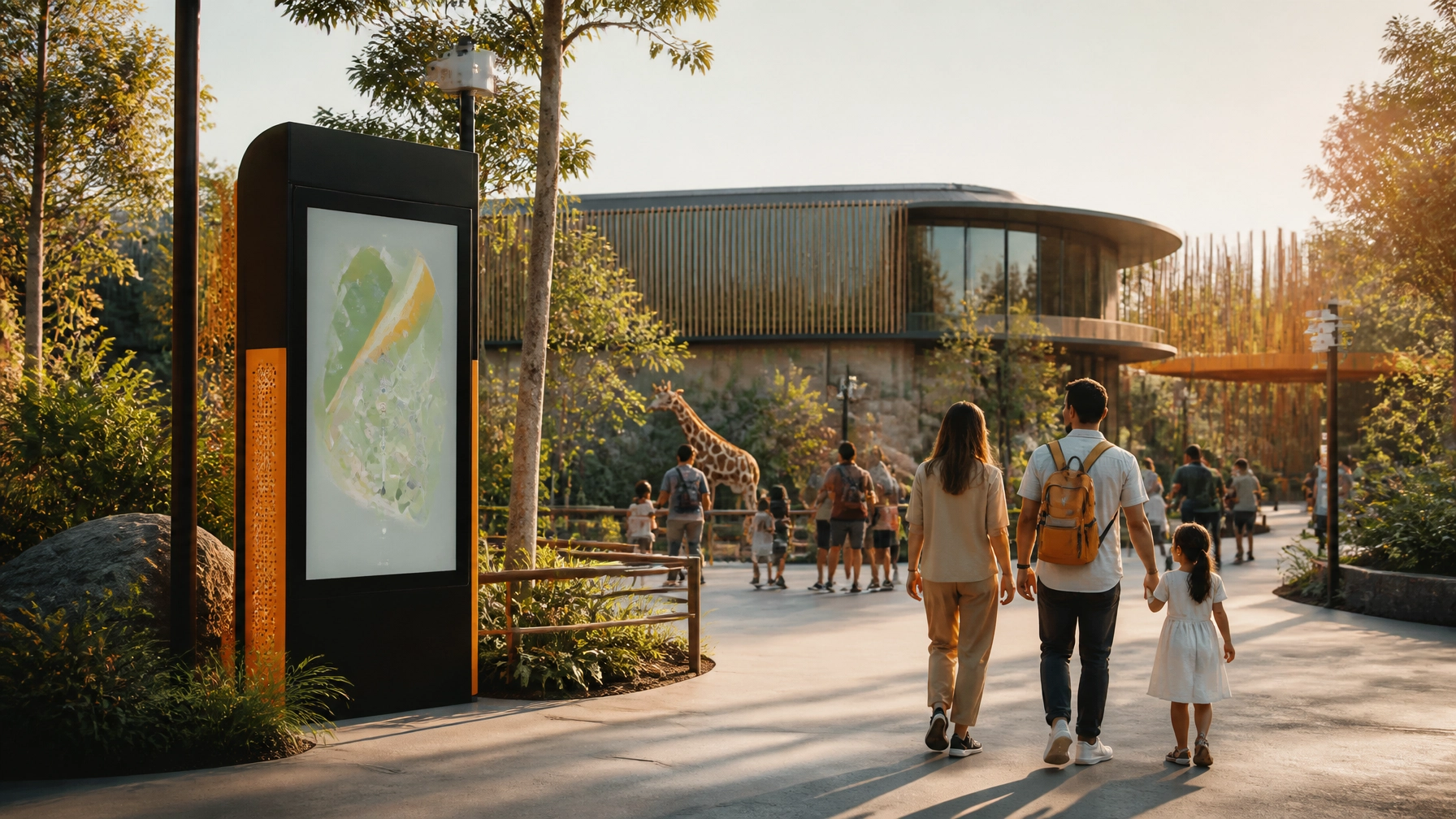
A well-developed site allows for mobile ticketing, GPS-guided wayfinding, and personalized itineraries. Imagine a family arriving and receiving a notification: "Hi Smith family! The elephant feeding starts in 10 minutes near your current location. Click here for the fastest route." This level of personalization increases visitor satisfaction and, crucially, their willingness to spend.
Furthermore, dynamic pricing algorithms can analyze historical weather patterns and booking trends to offer strategic discounts during slow periods. This ensures a steady flow of revenue without over-taxing the facility on peak days. It’s a win-win for the bottom line and the guest experience.

Animal Welfare and Conservation Transparency
While technology often focuses on the human element, the primary mission of any zoo is animal welfare and conservation. Smart technology provides a direct benefit here as well.
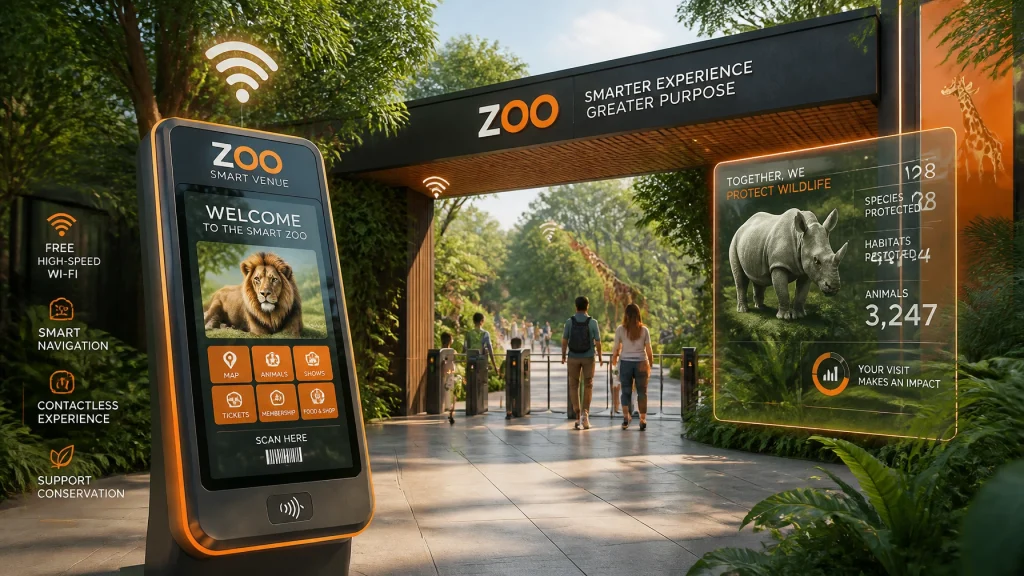
AI-powered dashboards can now display real-time metrics of your conservation impact. Whether it’s the number of acres protected in the wild or the successful rehabilitation of a local species, showing this data to donors makes your mission transparent and persuasive. When donors see exactly where their contributions go: backed by hard data: they are much more likely to become repeat supporters.
For the animals themselves, environmental sensors ensure that their habitats are always at the optimal temperature and humidity. These systems can even be programmed to mimic natural weather patterns, such as tropical rain cycles, providing a more enriched and naturalistic environment for the residents.
Security and Reliability: The Foundation of Trust
When you implement these systems, security is paramount. Just as a player looks for a casino with secure withdrawal methods, a zoo director must ensure that the park's data and the visitors' personal information are protected.
Zoo Media specializes in building secure, robust digital infrastructures. We ensure that your IoT network is partitioned from your sensitive financial data and that your public Wi-Fi is both fast and safe. Reliability is the "prize" here; if the tech doesn't work, it's just a fancy paperweight. We make sure it works every time.

Conclusion: Future-Proofing Your Zoo
The transition to a smart venue isn't something that happens overnight, but it is a journey worth taking. By embracing IoT, interactive signage, and data-driven marketing, you are not just keeping up with the times: you are leading the charge.
At Zoo Media, we are more than just an advertising agency; we are your technology partners. We help you navigate the complexities of website development and visual communication to transform your facility into a world-class smart venue. "Discover your luck" by partnering with experts who understand the unique challenges of the zoo and aquarium industry.
The future of zoo management is connected, data-driven, and incredibly exciting. Let's build it together.
Ready to Transform Your Venue?
Contact Dan Kost, CEO of Zoo Media, to learn how our innovative thinking can revolutionize your operations. Whether you're looking for a complete digital overhaul or specific IoT solutions, our team is ready to help you win big in the new era of zoo management.
Contact Information:
- Website: www.zoomedia.us
- Corporate Parent: www.dakdan.com
- AI Receptionist: +1 (323) 676-0621
- Follow Us: Check out Zoo Media News Network and Zoo Media.tv for the latest industry updates.

Explore our network:
#Motivation #Branding #Strategy #Marketing #AdvertisingAndMarketing #digitalmarketing #Innovation #Sports #VisualCommunication #IoT #SmartZoo #ZooManagement
This blog post was generated by Penny, your AI Blog Writer at Zoo Media. All rights reserved © 2026.